Episode Transcript
[00:00:00] Speaker A: Hi, it's Steve Vindig at Sport Law. Leave me a message, I'll get back to you as soon as I can.
[00:00:06] Speaker B: Hey Steve, it's Dina. You aren't going to believe what just came across my desk. We need to chat. Give me a call.
[00:00:39] Speaker A: Welcome to the latest episode of Sportopia. We're so excited to share our knowledge and have a conversation about healthy human sport.
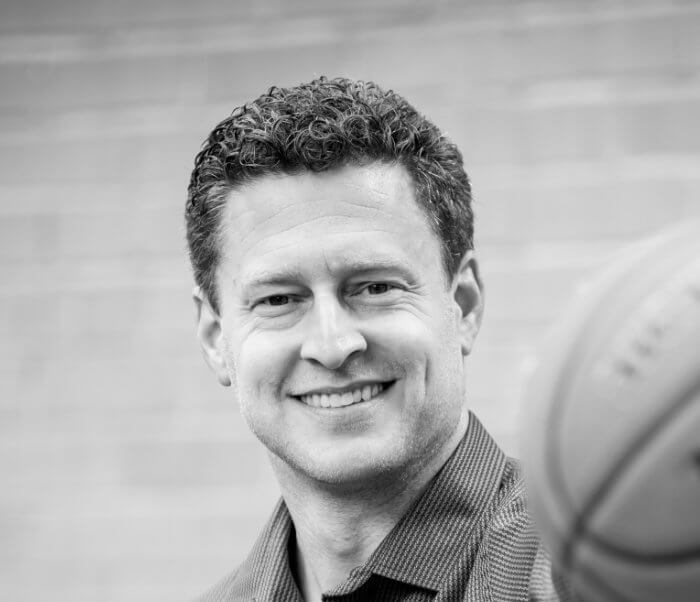
[00:00:47] Speaker B: Alison Forsyth is a safe sport advocate and expert. As the founder of Generation Safe, she aims to support everyone involved in sport, from athlete education to organizational preparedness. Alison helps leaders navigate the complex safe sport landscape.
She's a two time Olympian, a survivor of sexual abuse in sport, and a proud sport parent aiming to make sport a better place for her kids and yours. Great to have you here, Alison.
[00:01:17] Speaker C: Great to be here.
[00:01:18] Speaker B: Yeah. So before we get started, Steve and I have this thing where we just want to know what's coming across our respective desks. So Steve, what's coming across your desk?
[00:01:27] Speaker A: It. It is the season, as they say, Dina, it's the. I know the recording date today is the 1st of December and this podcast will come out early 2026, but tis the season for presentations and AGMs and conferences.
So I was lucky to be with the Community Sport Council of Ontario and their members on Saturday for a day. I have a meeting this afternoon with another client to talk to their coaches and their athletes about business development and what, you know, how to do that. And it's always something I've had a passion for and never really had, never figured out the way to monetize it or make it a full time business, but I just love helping people get started. So I'm excited to work with these people and talk about incorporation and employment agreements and, and alignment and yeah, an alignment and statutory deductions and the importance of, of being due, diligent in, in advance and then of course, the gift that keeps on giving. I have another Onkka presentation on, on Wednesday, so lots of, lots of conferences and topics to continue to discuss in a public setting. Dina, how about you? What's new?
[00:02:44] Speaker B: Well, I beg to differ, Steve. I think you've actually turned all of your desire to help people into a flourishing career for the decade. So I don't know what's coming across my desk. I'm actually doing a series of Nova Profile workshops and Allison Nova is a, is a wonderful little psychometric tool that helps people understand their behaviors, their motivations and their communication preferences.
So as a leadership coach, we like to do proactive things that help us, you know, better understand ourselves and work better together. And it's our belief that if we gave people, and especially coaches more tools to be able to understand the human being in front of them, we'd see a lot of the concerns around unintentional maltreatment dissolve right into something more manageable, like, oh, you prefer to do it this way and I prefer to do it this way. Let's have a conversation about the different ways that we like to accomplish something.
So I'm really excited because I get to work with these.
There's 45 humans across the next couple of months, and one of the things we're doing is the Nova profile. So that's what's coming across my desk. Allison, what about you? What are you focusing on this week?
[00:04:04] Speaker C: Well, between 4pm and 9pm you can always find me in my truck driving from hockey rink to hockey rink, so.
And back again.
That is where I spend my after hours with my kids who both play and my daughter who's in competitive cheer.
I am with soccer today and tomorrow. So as a SAFE Board officer for Canada Soccer, I'll be in office tomorrow. But we're really focused on our youth athlete travel plans. And as I always say, I actually change. It'll be interesting. We could talk about language. I change youth athlete to child in a lot of the documentations to remind my team that we are caring for someone else's child because sometimes we get stuck in that word athlete.
And then I'm actually road tripping you. And you both know very well my passionate road trips as I love to be on the front lines and working directly with administrators, coaches and athletes. So I'm heading up to North Bay, going to Nipping Singh University for some education.
Yeah, love it. I have said to them before, if I get stuck on the way back, I love camping. So maybe not this time of year, but I wouldn't put it past me to pull over my truck and discount for the night. But yeah, so I'm heading up there for what, Thursday and Friday.
[00:05:15] Speaker B: Oh, that's fantastic. Well, they're so lucky because we've seen you, you know, on stage and you were such an engaging speaker and really inspiring, motivating, right? To be able to. I love what you said about changing the language. Often our words create our world and so being able to be intentional about language so that we get a better sense of what we want and then being mindful of, you know, how our language can get in the way sometimes. So, well, speaking of language, maybe share a little bit more about you Know your journey and what led you to create a generation safe.
[00:05:51] Speaker C: It's absolutely.
[00:05:52] Speaker B: But take, take the time you need because it's.
[00:05:54] Speaker C: Oh, thank you for that.
Yeah. So I am a survivor of sexual abuse myself in the Canadian sports system. Dating now, I can say way back to 1998 and that abuse was covered up by the organization. And so for 17 years, the coach that abused myself and many of my teammates just went on with his daily practices in life and was finally arrested in 2015.
So when I retired from sport, I'm a two time Olympian in the sport of Alpine skiing. I went on to work directly with sponsorship, marketing and brand with a very small company called Lululemon at the time.
But flash forward to when this came back into my life.
Two and a half year criminal trial, a 12 year prison sentence and that's what really I got. Gosh, there's a lot I could say, but that's what really launched my healing.
I had not done any healing and I became one of the best athletes in the world with a lot of mental illness and mental health challenges. So the intersection between safe sports, psychological safety and mental health is a huge passion of mine.
So it's just interesting to think that we look at athletes sometimes on the world stage and assume that when they're performing and getting results that are best in the world, that they're feeling good on the inside. So I spend a lot of time educating on that. So from about 2018 on, I have been fiercely passionate, advocating and working in the safe sports space.
I just recently completed my IOC safeguarding certification for safe sport officer, which was thrilling for me also because I got to go back to Europe and have a little, you know, rehash of my life in the Olympic movement. So that was really cool for the graduation.
So safe sport is obviously a talk that all of us are extremely passionate about. I think for me, having that high performance athletic experience, the lived experience of predatory abuse, as well as all the different forms of maltreatment and know what it's like to really live and breathe an environment of sport as an athlete. What I specialize in now, as I mentioned before on the front lines, is really understanding and getting into how to take the incredible policies that say Steve may create and how to put those into practice and truly look at the culture of sport.
And I always say the reality of what is happening in the landscape. So that's what I do every day. And I founded my company about two and a half years ago called Generation Safe. It is me. So a lot of People think, oh, it's a company, but is myself and a couple of incredible contractors and I bring in experts as needed and we kind of do pretty much anything that an organization may need, from consultation to implementation of safe sport practices, communication, culture and leadership. And as you've already mentioned, Dina, a big part of what we're seeing is unintentional maltreatment.
You know, that old school coaching practices. I coach the base based on how I was coached.
Yeah. So really also focusing on the new generation of athlete, which is your Gen Zs and your generation Alpha. And as I'm sure many coaches are starting to understand, they are different, their brains work differently. So I work with a lot of coaches on understanding how to coach that generation successfully. And by doing so, surprise, surprise, avoid the forms of maltreatment.
[00:09:24] Speaker A: And by doing that, Alison, you must have created an app or you're very busy on TikTok to get to that generation.
[00:09:31] Speaker C: Well, we could have a whole hour long conversation of these athletes behavior on TikTok, that's for sure. Steve, if I'm on TikTok, unfortunately, it's usually to take a look at things that unfortunately they've done that aren't so great. But it's funny you mentioned that, because athlete to athlete maltreatment online is one of the biggest challenges that we're currently facing.
[00:09:50] Speaker A: Yeah, well that's a. Not that, not that everyone to say that's a good segue. But a lot of our listeners, Allison, are sport administrators anywhere from small clubs, medium clubs, PSOs, NSOs.
What do you think? With the current landscape of the sporting environment, there's kind of this overwhelming responsibility that keeps getting larger and larger while funding is getting cut and cut.
What are some of those early warning signs that sport orgs need to be aware of with relation to an unsafe environment?
What is it? And there's all these obligations. So you're asking us to do more with less.
So what am I looking for? And then how do I manage it?
[00:10:32] Speaker C: Yeah, super fair.
We have to. We can't go into the safe sport world and I think we have to be honest in the past without understanding that these organizations operate under a lot of constraints. To your point, funding constraints, administrative, you know, human resources, people constraints.
So I find a lot of organizations feel that once they're set up with their policies, maybe a little bit of education, a proper disciplinary process, whether internal or external of the organization, they kind of step back and go, okay, we're set.
The reality is that the implementation of the practices, the culture, the Communication, the proactive member family communication about where to file a complaint or how they're committed to the safe sport movement is often the last thing. And that's unfortunate because, you know, I could argue it's the most important thing.
Couple examples. I work in reintegration education. Dina, you would love this. We should chat. And it sounds weird when I tell people that I love this, but basically what it is is I work with coaches and groups of athletes if they have been sanctioned for maltreatment, and one of the outcomes of that sanction is education.
Because I will, you know, forever and again tell you that I do not think it works to have a coach redo an education they've already done.
Nor is that usually satisfying to the complainant that the coach's sanction is to redo a training module they've already completed. So I'll get to my point, which is in that work, not one person I've worked with. You know, let's take a group a hockey. A hockey team.
Not one group has ever known that there was a policy until they got in trouble.
That is not the incredible policymakers like yourselves fault. That is not necessarily even the organization's fault, except if you have an athlete or a coach who doesn't understand those policies, what they mean, what sort of behaviors need to be shown, what hazing is. It's one of the biggest issues I work on.
So I think the point there is bringing the policies off the paper and into practice.
Oversight, we'll see time and time again, right? Those reports that come back from law firms or whomever around major abuse cases. And it's lack of oversight.
And what lack of oversight is to me is get out there onto your soccer fields, into your basketball gyms, into your hockey rinks, administrators, and actually live and breathe and see the culture that you're currently dealing with.
So that is what I see is a lack of understanding or even knowledge of policies that are applicable to behavior.
And I see a lot of cultural repurposation. Repurpens. Wow, big word. That's like four syllables on a Monday morning.
I supported Rick Westhead with the book We Breed Lions around the Hockey Culture.
A quote in that book that I wrote, people seem to like all about how I just basically wrote that respect doesn't come in a suit that an athlete wears for 10 minutes when that same athlete is allowed to stay up till midnight playing mini sticks in hallways and disrespecting servers and restaurants. So the key thing here around culture of your sport or sport is to get right down into what are those normalized language.
Right. You're bag skating your running of suicides. Part of my language for even using that term. What has been normalized in your sport and how do you consciously shift that? And that is your number one prevention mechanism for maltreatment, in my expert opinion.
[00:14:14] Speaker B: Yeah, that really speaks to me. I was going to ask you what do you think is the most, the biggest hurdle for us to overcome and some of the biggest challenges that we face. But you already spoke to it. The system. If we're going to try and overlay a safe sport mentality, let's call it a respectful sport engagement, right onto a depleted, exhausted, outdated system. We're going to get the same kind of behaviors because we don't have the built in capacity to review and let's call it audit the practices to ensure that they're actually being implemented the way that they were designed in the policy or in the rule. So this is the, the biggest challenge, as you said, you know, we, sport is crumbling. It wasn't designed to meet the complexities of this 21st century that we find ourselves in now. And you know, the excuse of, well, they're just volunteers. Doesn't it never cut it. It certainly doesn't cut it now. So unless we, we really take this seriously, we keep hearing people say, well, sport is a valued public asset. But Alison, we don't invest in it. We're not treating sport the way we do.
Teachers and education institutions where we have children and young adults. In these institutions, we have professionals who understand child and early adult developmental processes.
Until we do that, my sense is it's going to be really hard to get this.
The train is out of the station, but how do we ensure that the train is moving in the right direction? What do you think?
[00:15:56] Speaker C: Yeah, and I think we have to understand human behavior.
I have spoken to you. Obviously you know this at this point. Thousands of coaches across the country and not one of them, unless they had heard of me before, was excited to come into the room, if that makes sense, to talk about safe sport.
[00:16:12] Speaker B: Right.
[00:16:13] Speaker C: You know, the amount of rooms I've walked into where I've looked out and there's arms crossed and resignation and here we go. Someone's going to come in and tell me I'm a bad person.
So understanding to meet and specifically with hockey, I'll share this. You know, really meeting these coaches where they're at, as opposed to, I'll just say it, like forcing policies down their throat that they have to follow or rules, you Know, if you even just look at the term code of conduct, and then I will not verbally harass a referee. Like, what if it was called a code of commitment? How we will behave, right? And enrolling them and meeting them again, where they're at and sharing with them, especially as you've already mentioned, the amount of unintentional maltreatment out there, because they're simply not getting the development. They need to recognize that we know more about maltreatment now than we ever have. And it's not debatable, right?
Harm is not a debatable topic. It's sociological, psychological and scientifically based on fact. At this point, the example I always compare with coaches, which seems to resonate, is concussions. You know, the first time myself and my partner, who's a former NHL player who has lifelong issues with concussion was 2002. Now, for the three of us in the room, not to say our ages, but we don't think that's long ago, you know, and some guy, literally just some guys, I would have said back then, walked into a room of U.S. national team athletes and simply said, well, there's this thing called concussions. Then he explained it to us and we all started laughing because he talked about doing the baseline test when our brains were still healthy. And we were like, well, we probably all had about 10 undiagnosed concussions.
But my point is that when we know better, we do better.
And that's what safe sport is to me, is we know more about maltreatment, harm and trauma, psychological and mental health.
So I try to meet people where they're at, not make them. I don't vilify them, make them a bad person, but simply share. Listen, just like concussions, we know this to be true. Now, who are we going to be to make sure that no one under our care, or as I've already mentioned, our athletes to each other are not causing harm and ultimately trauma.
[00:18:35] Speaker A: I want to jump on Alison, something you said, and I really like it, being kind of the policy guy. And I know you know, Dean and I well enough that she's the people person and the 30,000 foot person and I'm the three foot legal person and try to make things a little bit objective. You mentioned, you know, code of conduct, a code of commitment, and I actually love that evolution from language perspective, from policy development. But I'm curious to know your thoughts on the multiple moving pieces in the safe sport movement. So there's the ucc, there's the adoption or pan Canadian policy Adoptions within sport. Then there's provincial territorial systems.
How, what, which one? Why are we doing this 19 different ways?
I wonder from your lived experience what your thoughts are.
[00:19:29] Speaker C: So you both know me well enough to sit to know. I don't mince my words. We got it completely backwards. And this is with respect for what we thought we needed, which is when this first movement started, as you'll, as you'll remember, it was these two things were introduced. One is the culture of sport needs to shift. And the second was safe sport. And I think we as a sport system went, ooh, shifting the culture of the sport, who's going to do that? Or that's tough, or that's that gray zone, that soft stuff. But hey, we can create a big old policy and have a very litigious formal complaint process.
And so I'm not putting anything against folks seeking justice that have been harmed.
I am saying that with the now very obvious reduction in funding or lack of funding, most of the organizations I work with have to pool any, any financial bucket they possibly have. They have to reserve that to pay for litigious based formal complaints.
Youth to youth maltreatment, in my opinion, should be treated completely restoratively.
A lot of universities I work with do this. It's not a policing and punishment model of student athletes. It's a volunteerism education service based model.
So we are way too focused on the reactive side of what are we going to do once something bad has happened and how do we punish someone Again, there's some personal beliefs from my own experience in that I didn't feel remotely better when the verdict came in that he was going to prison for 12 years.
I only felt better once I had a chance to speak to him and forgive him and go through a restorative process. So I just wanted to say that I know that's not what everyone will believe in.
However, to make my point, we aren't spending nearly enough efforts on prevention.
And with the Canadian Safe Sport program, which is the national program, it is not okay that the participant goes through a 22 minute informed consent online, very top level education and we go, okay, that person's educated on how not to hurt an athlete. So I'm open about this because I don't care about me.
It's that it takes a lot of work, a lot of diligence and a lot of effort and belief to shift a culture with aspects of the culture within your sport. And that's not going to happen through a 20 minute module and a complaint process.
[00:21:58] Speaker B: So well, it's. It's music to our ears. If I take you back to you talked about 2002, I'm taking you back to 1992, when I started working for the then Canadian Anti Doping Organization that moved into the Canadian center for Ethics and Sport that just announced it's now becoming the Sport Integrity Canada.
And what is fascinating to me is way back in the early 90s, Alison, the leaders of the then CCS had a vision for let's be more proactive rather than pumping money into reactive approaches around anti doping, which was the primary issue. But then quickly after anti doping, it was maltreatment. There was. The focus of the CCS was on eradicating violence in sport. You know, harassment in sport, match manipulation.
Right. And I go on. So it's really fascinating when I look at the interventions that then gave rise to true sport, which you're familiar with as a national movement, how we now have decision makers and leaders who are coming back. It feels like they're falling back onto policing and regulatory practices to try and control human behavior. And so what I appreciate about what you're speaking to, which is something I've been behind for my whole tenure in sport, is values based on sport. And if we start with that, what is the promise of sport? How do we make it possible for people to do good things? How do we encourage and reward that alongside outcomes like performance?
And how do we ensure that we invest in the developmental capacity of young people so that they come out of sport whole human beings? And that there is this room for forgiveness and acknowledgement that sometimes we're not going to get it right. So then how do we restore right relationship between people?
So what is, you know, I'd say heartwarming for me, someone who's been in the system forever, It's. It's hearing someone like you being able to validate what we know works in other systems and structures. Right. If we have a police state, it's not going to prevent bad things. You're going to create a culture of fear. I think it'll go underground.
So what is it going to take? I guess that's my question.
What do you think it's going to take to have this more proactive approach on culture? Because from where I'm seeing, nobody's still talking about the importance of measuring culture despite efforts that have been made.
[00:24:39] Speaker C: Yeah, I think it's applicability. And what I mean by that is making things real, relevant and respectful. So when I provide my education, I speak about real cases and I Use quotes from real athletes who have gotten in trouble for things like hazing and what they wish they had known before, if that makes sense.
So we can go into a room with a big poster and talk about principles or values. But we have to know where these athletes really live and that is online. And we have to know that they're going to be more influenced by their peers and social media than you or me. Coming into a room as an old mom, that's me, you know, like I go into room. You're old.
[00:25:19] Speaker B: I'm the grandmother.
[00:25:20] Speaker C: Yeah. Like I'm either online or in a room with, you know, 80. I just did all of hockey, New Brunswick. So there's 120 rep level hockey players and at the end of the day I have to meet them where they're at with what makes sense to them. So again, like, I know organizations can get like, whoa, money. How do we do this? But my key message there is meet everyone where they're at and bring them relevant values based education without saying, you know, you, you know, let's use the value of respect.
So what respect means to me might be very different than what respect means to Steve. So I have teams create a commitment around respect.
Number one that works is I will show up on time ready to play because if I don't, that's disrespectful of my teammates. And then guess what else doesn't happen?
That athlete then who's committed to their teammates as a peer to peer generation, they're going to show up on time and they're not going to get ran up and down the field till they throw up.
[00:26:15] Speaker B: Right.
[00:26:16] Speaker C: Like, how do we create those positive commitments? Peer to peer, value based. So then the, we get way back at, way out of the running, the bag, skating, the, the exercises, punishment stuff.
[00:26:30] Speaker A: Yeah.
A lot of organizations, Allison, have been around for hundreds of years on, you know, soccer here in Ontario was incorporated in the early 1900s. So over 100 years of existence. So there's, there's the organizations that have been around forever and then there's of course new ones popping up today, tomorrow, the next day. And, and sometimes we think they're behind the eight ball because they're new. But in some ways I think they have an advantage because a lot of the things you've alluded to haven't occurred yet. There is no culture, there is no history, there is no bad apples. So I guess when I look at it from that perspective, I want you to think about it and say, okay, you, me and Dean are starting Anew. We're probably at that age where we start playing pickleball and we're starting a new pickleball club. You know, what are the must dos that we have to implement to ensure that we have our sport commitment to make sure we're in a safe environment for all our people involved. What do we need to do?
[00:27:31] Speaker C: Yeah, so you have to build the, you have to build the playground first, which is your policies, right. Your codes of conduct, your disciplinary processes.
There's like that organizational preparedness that happens with great folks like you, Steve.
Then in that inside that playground, it's what is our culture if it's new, like pickleball, always still looking at the legacy and staying true to.
I mean Vancouver island was real strong in pickleball at the very beginning here, but stay true to who you are. So if I look at hockey, I will always say I am not here to take away anyone, including mine, as a coach and a parent of a hockey players love for that sport.
But every sport has aspects of it that needs to shift. So identifying those and then it's like, how do we shift these again? Like, I know Dina would say it seems overwhelming, but I will to the ends of the earth tell you that proactive communication is number one that costs no money in general. You probably already sending out a newsletter, you have an Instagram, you have all these things. Is safe sport on your agenda every board meeting.
Is it in your newsletters every time? Because this will not only, as we know, keep the predators out because they're going to go, oh, I can't get access there. They seem pretty buttoned up. We're not going to educate those folks. We know that they're going to stay who they are till the ends of the earth. But further to that, if I go on to, I always say this in soccer with our executive directors of our PTSOs. If I go on to, if I pop up, which I do in Kitchener on the side of your soccer field and I say to a mom, do you know what your club stands for when it comes to safe sport and culture?
Second, do you know where you can go and how you file a complaint or a concern if you feel your child has been harmed? If she says, no, you haven't done your job.
So it's that entire.
It's get it, get it set up and get it happening is where I think we get stuck with just the setup. To be honest.
[00:29:42] Speaker A: If I could summarize it. It's like, you know, the foundation policies, documents. Second part is communication of those Documents let people know they exist. And third part is culture, but also monitoring that culture to make changes as necessary.
[00:29:57] Speaker C: Yeah, and I, you know, I'm always mindful, you two know me so well that, like, I never want to sound self serving, but your education has to be real, relevant and respectful.
And I say this with respect for people that have been in the space, but when I ask. Nope. I feel like coaches don't really respond to animated characters. I'll just say it if that makes sense. Like, you know, you've heard me say this before.
You deliver something to a coach or even an athlete as a checkbox where they know they have to do it to get their uniform. Or they look at it, as many coaches have told me, as like a liability aspect. Like, oh, I gotta go through this EDI training so the organization doesn't get sued. Like, they'll just tell me that, you know me, I'm gonna speak in real terms.
But I call it like looking left and clicking right, right. Like it has to add value and be respectful of who they are if they're going to pay attention and actually absorb education and shift.
Now, the last thing I want to share is I always say this. You're never too old to have a growth mindset.
So there's a lot of sport administrators and coaches who truly believe that what it takes to win is to push athletes into unsafe areas of psychological safety and maltreatment.
Then when you tie their paychecks to winning and you tie funding to that organization bringing home medals, we are kidding ourselves if we think that when we're tied to that as the metric of success for human beings in sport, that it's not tempting to make unethical decisions or to push athletes a little too far. I know Dina's nodding. I know this is a passion of yours as well.
[00:31:42] Speaker B: Yeah, yeah, absolutely. We're getting what we pay for. So what I'd like to do is I start thinking about, well, I'm not going to be here forever. Like, what will. When I look back on my time in sport, what are the things that I'm most proud of? Well, for sure, serving on five Olympic teams, you know, as mission staff, and being there to support and witness the athletes. But it was the relationships that I made.
A close second is the work we did around true sport, systematically trying to reclaim healthy human sport through values based, principle based education.
The thing is, Alison and Steve, it was never funded by the government.
That was. What is the government? I mean, what's government funding? Right? It's the people Funding. So when I think now of where we're at in sport, where not only have we not had a pay raise, right? When I think of our national sport organizations, they're having to do more with far less money. And yet we're taking money and we're putting it towards institutions that are going to be out there governing, policing, making sure the system's not safe. There isn't going to be organizations or athletes in the system to monitor.
So my hope is, as you've been saying, can we start to reward what matters most? And culture is a reflection of, of our reward system. So if we're educating people on safety and what that means to all the different people, because as you said, Allison, you put 10 people in a room and you ask them what do you need to feel safe, they're all going to come up with different ways to describe what that is. That's what psych safety is, right? So can we listen? And then more importantly, can we then create an environment that is safe, where the adults in the room know and understand and are not living vicariously through the little people, where sport is vastly a little people construct, Right. When we get to the national and international level, my hope is we start treating them like professionals because they are professionals. And if we did treat them like professionals and paid them like professionals and then safeguarded their experiences like professionals, a lot of the maltreatment at the national and international level I think would dissipate because it would be more like employee employer relationships. So when I'm hearing you speak, and a lot of the work Steve and I are advocating for is more for the children in the experience, because we start treating the adults in the experience of sport that are more professionally based, I think we're going to deal with a lot of the concerns that have been raised through the research and the consultation.
So that's my hope for sport.
I wonder, in our closing time together, Allison and I suspect we're going to be having you back in 2026 to see what are you noticing? What is your hope for sport? Let's make it really tangible in 2026 as it relates to proactivity and holistic approaches around safe sport.
[00:34:46] Speaker C: My hope is that safesport can become, maybe it'll take a couple years, a positive term.
So safe sport, it doesn't say unsafe sport or maltreatment based sport, but when I actually ask any of your listeners to actually just think what their experience with those two words has been, has it been positive or negative?
And in order to do that, that's where we look at the human behavior, the human element of these athletes. We recognize these are children instead of just youth athletes.
Just one quick story, because I was the state sport officer at Canada Games and a chef de mission came up to me and said, how do you do your job? And I said, well, you probably came in here going, oh, Canada Games is Canada's most premier youth athlete sporting event with the best athletes in Canada. I come in thinking this is a 3000 child sleepover camp of teenagers, hormonally fueled teenagers who instead of playing arts and crafts and weaving, they are playing the Hunger Games of sport. So we have to get really real about the human aspect and away from that. It's athletes. Now the other thing I really hope, and this is going to be very difficult and I think about sport parents and I'm doing education online with sport parents now. It's just because you make it to the NHL or you make it in sport does not mean your child is happy and healthy. Does not mean your child who is now 28 is happy and healthy on the inside because they're making lots of money.
So that outcome based. My goal for my child is to be pro and I'm gonna do and put up with.
All three of us have all seen a sport parent rescind a complaint, right. Saying, nevermind, I don't. I want. My child might not make the team next year if I go through with this.
[00:36:40] Speaker B: Exactly.
[00:36:41] Speaker C: So I think there's a key point to sport parents here that, I mean, I could give me a call and I could tell you the 40 Olympian and professional athletes that have validated this alongside myself, but being the best in the world at something does not exclude you from pretty and can really induce some pretty serious mental health challenges and psychological safety risks.
So. Matt's.
[00:37:04] Speaker A: Sorry, I want to just really interrupt you because.
[00:37:07] Speaker C: Yeah, go ahead.
[00:37:08] Speaker A: I've heard you speak a lot of times and, and passionate and educational. And one thing that always resonated with me, hearing you speak multiple times, was your own. Just exactly what you said is, is you've had international success, Olympic success, but you would have given that up in a heartbeat for.
[00:37:27] Speaker C: Yeah.
And I think, Steve, I'm so open because I think it's what it takes, but I also want people to know whether it's the grooming process or what I just shared, I validate with dozens of others. Right.
But I. I'll reiterate like I became the best in the world at what I do from a very, very unhealthy place.
So if we think that me standing in the finish line with my arms in the air, getting a bronze medal at the World Championships means. And. And I say this, athletes, all the.
That picture of me, I was incredibly mentally ill, multiple undiagnosed mental illnesses, eating disorder. So we now, with the kids following all these athletes on social media and Tik Tok and everyone doing reels and they're dancing in their hotel rooms, like, every day as a party, it's hurting that potential of respecting that what you see on TV or on Tik Tok is likely not what is happening inside that person.
[00:38:32] Speaker B: Well, that. That really warms my heart, Allison, that you've, you know, through pain, you are living into your purpose. And. And it really has come. It takes incredible courage, conviction, compassion. Right. To be able to face the parts of us that were wounded and then to meet them with so much love and compassion as you're, you know, demonstrating here today. And that's what people are responding to. You know, you talked about real relationships to get to respectful engagement. And if we do that, then, you know, the. The unintentionally mal. Maltreatment that occurs will be less the focus. It'll be more on, oops, I. I didn't mean to do this now.
Now what? Right now? How do I regain that right relationship with people? And I think that's. That's the place that we need to play. Right? We need to have advocates like you who can stand up and say, this really horrible thing happened to me. The adults in the room, and the system didn't support me, and now I'm here to make it better, and I want to make it better in a way that's going to be sustainable.
We're really grateful that you said yes to this conversation and applaud the beautiful work that you're doing, and we look forward to hearing more from you. And if there are things that we can do, your friends at Sport Law, you just let us know that we're here to continue to champion your work.
Any last words from you, Alison, before we say goodbye?
[00:40:11] Speaker C: No. I mean, I say this, and you've heard me say it, and it's true, but I'm easy to find, and I'm here for people to help navigate the system. I call it Free Fridays.
It's a weird word, but if any, I dedicate my entire day to just quick conversations with four parents or administrators or anyone who wants support navigating this system.
Yeah. And then I am launching some online education that I think will be really great, but I'M sure anyone out there will figure out how to find that. And I never am one to pitch, so.
But thank you. I always enjoyed working with both of you. And it takes.
It takes the lawyers in the room, the good ones like Steve. It takes incredible people like you, Dina, who, with the work you do with grief and everything else, just a good soul and a great person. This is, you know, we need all the angles covered.
[00:40:59] Speaker B: So, yeah, this work is going to take a village. And I love that you have free Fridays, as Steve and I always say, you know, when people call, the first 20 minutes are on us. Right. Like, we really want to help people. So we've just discovered something else, Steve, that we have in, you know, common with that with Allison.
Words from you, Steve, before we say goodbye?
[00:41:18] Speaker A: No, I just appreciate Allison coming on and being, you know, her true self. I know. I expected nothing else, but I think candor is really important when we talk about this topic and the way you've educated yourself, Allison, and challenge the system. And I just think, you know, keep doing what you're doing. As Dena said, if there's ways that we can partner together, we're always, always open to that. So I love it. Yeah.
[00:41:41] Speaker C: Yeah. Thank you.
[00:41:43] Speaker B: Okay, well, in the episode notes below, you'll find some sport law blogs where you can find more information related to our conversation today. We will link to Allison's beautiful work so you'll be able to find it, find her. And other than Fridays, Free Friday. Love that.
Thank you so much to our listeners. We're really grateful to share our vision of Sportopia with you as we all look to elevate sport.
[00:42:07] Speaker A: As always, to have your say in Sportopia. Email us at hello, Sportlaw CA to let us know what you want to hear about next. Stay tuned for our next episode. Until then, be well. Thank you, Dina. Thank you, Allison. Everybody. Have a good holiday.
[00:42:32] Speaker C: Sam.