Episode Transcript
[00:00:00] Speaker A: Hi, it's Steve Indig at Sport Law. Leave me a message. I'll get back to you as soon as I can.
Hey, Steve, it's Dina. You aren't going to believe what just came across my desk. We need to chat. Give me a call.
[00:00:39] Speaker B: Welcome to the latest episode of Sportopia. We're so excited to share our knowledge and have a conversation about healthy human sport.
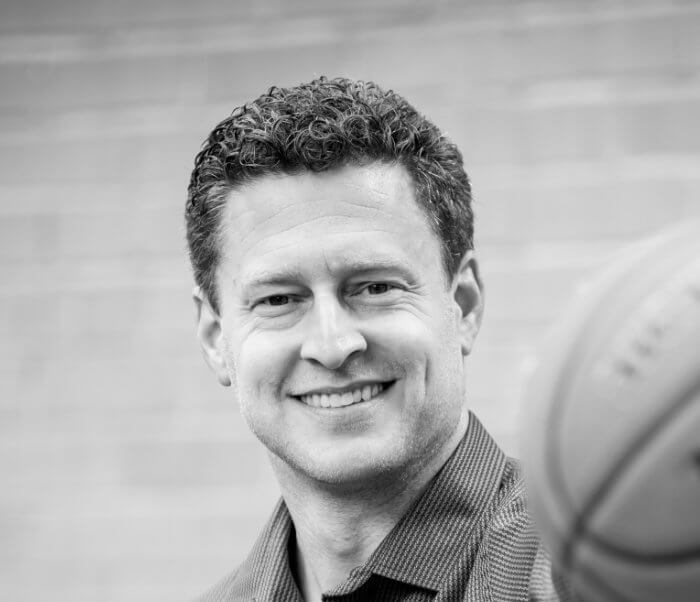
[00:00:47] Speaker C: We're so happy to welcome Casey Wade, CEO of Canoe Kayak Canada for the past 12 years. Prior to that, Casey was the Director of Education and Planning at WADA and, and the Director of Drug Free Sport at the CCES.
That's where Casey and I met. I was a young journalism student and I was doing my thesis on Ben Johnson and the issue of doping in sport.
And we had tracked down Casey and he was kind enough to say yes to these two journalism students. And at the time, Steve, you don't know this story.
I was always the one who was front of the camera and my, my colleague wanted to be behind the camera shooting the interviews.
And then when we saw Casey walk in, she turned to me, she goes, I got this one.
[00:01:37] Speaker D: Yeah, so that was back a long time ago.
[00:01:40] Speaker C: That's just yesterday, Casey. You know, that takes us back to 1991, folks. So really privileged to, to have Casey here to talk about, you know, lessons on leadership.
But before we get to that, we have a tradition here of chatting up, you know, with each other. Casey, we'll be asking you to do that, too. What's coming across our desk this week? So, Steve, what is coming across your desk?
[00:02:05] Speaker B: I'm going to speak about two things. One is, and I maybe have spoken about this before, but it's time management. And since December, I've been trying to prioritize taking some time for myself, which I probably haven't done, or 15 years. So as my schedule gets filled up, I make sure to block out some time where I can able to go outside, go to the gym, just do something that allows me to, I guess, be by myself or be proactive in my own human health and care.
From a work perspective. This week and last week, I have been getting a lot of calls related to employment issues, particularly around moving people into new positions and the manner in which to do that, correctly, in accordance with employment law as well as staff board relations.
Casey, that's something maybe we'll ask you about is managing a volunteer board or working, I shouldn't say the word managing, but working with a volunteer board and as a paid professional.
So a lot of employment Stuff coming across my desk, in addition to the establishment of human resources documentation, a salary grid and updating job descriptions. So people are always moving forward or trying to revamp their, their hr. And the last example I gave the client was really just trying to simplify their hr. They are growing, they're, they're gaining more employment employees and always trying to just make it a little bit simple for themselves from an operational perspective. So, Dina, your turn. What's coming across your desk?
[00:03:46] Speaker C: Well, it's really exciting, actually. A client came to us who we've been working with, well, for forever, and they're looking for help to implement the recommendations from a governance review that they did a couple years ago. And it's a requirement, as you know, Sport Canada is making it a requirement to not only say that you're going to put in place these mechanisms, things like nominations, committee, board education and training, clear separation of roles and responsibilities between the board and the staff, accountability measures, reporting to members, etc. Etc. So they've come to us, they've had this report for a couple years, they've come to us, and we're going to be designing a strategy to help them actually implement the recommendations that are in this governance review. And what's really exciting is we developed a project, a product called Governance Essential, several years ago, and we've just launched it again with updates. And so they're starting with the Governance Literacy. So they're sharing all of the, they're requiring all of their directors to ensure that they're taking this course.
And if the vision comes to pass, all of their provincial, you know, organizations will also be required to take the Governance Literacy. So at least if we're having discussions and debates, it's based on a shared understanding of these fundamental governance principles. So I love doing this kind of work because, you know, they're inviting me to come in, have conversations with people and get people, as you said earlier, Casey, before we started, you know, recording, you know, paddling in the same direction. Otherwise, you know, if you have an understanding of something and I have a different understanding, then we're debating the wrong thing. So I'm really excited because it's an organization that's near and dear to my heart.
So, Casey, it's so fun to be with you in this way. Tell us what's coming across your desk before we dive into lessons on leadership.
[00:05:49] Speaker D: Okay, well, listen, it's a pleasure to be here and thanks for inviting me. Listen to you, Steven and Dean. I mean, you've, you've hit on some key things that we're certainly working on. You know, I can say that as a service organization. I mean, I'll come in and I'll make my list of things to do and you know, if I get the 50% of it, I'm lucky because things come at you and it's just the way it is. I was asked to come in, for example, yesterday morning, Monday, to help open up the Toronto Stock Exchange with our gold medalist, Katie Vincent. And it was all there. It was great with the Canadian Olympic Committee launching their strategic plan back here. And I think we had to delay the session because of that with our meeting.
[00:06:28] Speaker C: And you're worth waiting for, Casey Wade.
[00:06:31] Speaker D: I apologize for that. But yeah, this week, I mean, there's things like governance for sure we're launching that. We have to get into enacting bylaw changes around governance to comply with the code, around more independence with our board, stronger athlete representation. And we're going to then focus on alignment so that we can function better as an organization with our staff and our members. There's a lot of international partnership meetings we're having. I sit on international committees, sort of funding committees. A board meeting tomorrow night.
You know, it's just we have new staff coming on this week. We're doing a lot of international events this time we can talk about why, because it is an opportunity for revenue generation as well as an opportunity to showcase our sport in our country. But it comes with a lot of work and so we're looking forward to that. But I would say that by and large, you know, these weeks blur each week blurs into the next.
Like to find more time to work out, Stephen. But probably a couple times a week, which is good enough. But like to do more of that. But it's exciting. It's a privilege to work in the sports system, but it's never a dull moment.
[00:07:40] Speaker C: Yeah, those are fine words, eh, Steve?
[00:07:43] Speaker B: Well, we could have, we could have based this whole podcast on what's coming across Casey's death this week, let alone.
[00:07:50] Speaker C: I know I was getting tired. I'm like, oh my gosh, look at the to do list. That never ends. But yeah. So, Steve, I know you got the first question for our friend Casey.
[00:07:59] Speaker B: Yeah, I think it's worth sharing, Casey. And I want to give you a two part question. One is, you know, maybe tell our listeners a little bit about your background and what you've been able to accomplish throughout your career. And then I want to share with everybody that canoe kayak, you know, has a rich Canoe kayak. Canada is a Rich Olympic and paralympic tradition, winning 28 medals at the Olympic Games, and the first medal secured by a Paralympic athlete in the 24. 20. 24 games.
You know, knowing your history and kind of just you talking about what's coming across your desk, how do you balance the changing evolution of sport? And the way I always explain it is, you know, 20 years ago, if people asked me for a policy suite, I'd recommend five, and today I'd recommend about 25, if not more than that. So, one, I want you to talk about yourself and tell everybody the great things you've accomplished. And two is how have you been able to transition with the. With the management of sport? It's just a different beast these days.
[00:09:01] Speaker D: Well, those are a lot of questions. Well, the first one, I'll be as brief as I. I can be. I mean, I background track and field as a sprinter, so really loved sport as a kid. And so I wanted to be involved in sport just by sheer circumstance, being a sprinter in track and field. And it ended up working and started starting the Canadian Anti Doping Organization, which morphed into the Canadian center for Ethics and Sport back in 1989. And that's where I met Dina in 1991.
In 1999, the International Olympic Committee asked me to set up. Help set up, the World Anti Doping Agency. So I was one of the founding directors there. There's three of setting that up.
And I did that right through till 2005, and then led the association of National Anti Doping Organizations, which looks very much like the international testing agency in Switzerland right now. But all I have to say is that, you know, I was involved working with and for sport, but not in sport. And I had. It was a privilege, for sure, but a lot of it had to do with building. So I really enjoyed building and with the expertise that I developed, and it was a real privilege to do that.
Came back to Ottawa, and then I ended up in this position here. It was the first time I ended up working in sport and with athletes and coaches and so forth. It was a wonderful experience. I was sort of scratching my head, thinking, what am I doing? I'm not a paddler. I've never been in a kayak in my life unless it could fit a cooler in it. You know, it was these narrow things you couldn't keep your balance in. And I went down to my first training camp. I think Adam Vancouverden is now the parliamentary secretary for sport.
Some other wonderful athletes were out there on the water, and they were working so hard and trying to make an impression, as was I. And it was just, it felt so good. And I realized this is a wonderful opportunity that I've been missing and I've been in here for 12 years and really it's been an honor and a privilege to do that in terms of the, you know, the work we've done. So when I came in, I did a lot of development and rejigging of, you know, our high performance program, the first strategic, strategic plan we had for the whole company, governance, renewal. And Dina, you, you helped with a lot of that. Steven, you've helped a lot of the policy work that we did in the early days and, and it's been, been wonderful. But it has been challenging. I mean, I think, you know, I'm going to be repetitive, you know, when future people come in to speak about leadership and just the environment we live and breathe, you know, since COVID and, and, and just the challenges around inflation and funding in the funding crisis we're in the safe sport crisis. I know, we'll talk about a bit. It's been very, very challenging, to say the least. And trying to navigate those waters while you're trying to encourage an organization to succeed from the grassroots all the way to the national and international level, it's difficult. It's a moving target. There's a lot of hurdles and it's just trying to work as best you can to do it.
I know we'll talk a bit about culture and leadership, but really, truly, you know, organizations in my view are about people. Communication is a common thread that helps nurture a, a good organization in, in the right way. And you know, we've had to pivot a lot, but communication, working with people, getting them to understand the challenges, embracing the challenges, looking at them as opportunities and pivoting where we need to, to be successful is something that's sort of been ongoing for the last five or six years, you know.
[00:12:39] Speaker C: Thank you, Casey. We, Steve and I and our team often feel really privileged, like you, to be serving in sport, although we're serving in a different capacity. And I have to wonder, you know, what keeps you staying in sport with all of the challenges that people have had to navigate? I'm thinking even before the pandemic, there was some real challenges.
What has you staying in the system?
[00:13:05] Speaker D: That's a great question.
I love it. I mean, I do.
It's a bit of a love hate thing in some ways because of the challenges. I hate a strong word. It's just you sometimes wonder why, but I think it's because of sport, the value of sport, what it brings to individuals, what it brings to society, what it can do for Canadians to see athletes flourish, to be wonderful ambassadors for our sport, for their families, for themselves and for our country, and to be, to play a small leadership role in making that happen and supporting it is just a wonderful experience. So we are privileged. The amount of opportunities to travel to just hanging out with athletes, the coaches, the volunteers, the wonderful base of passionate people we have, it's hard to replace and I really enjoy it.
[00:13:53] Speaker C: Yeah, it really is about people, right, Steve? We often talk about that. If there weren't people, well, we wouldn't have sport, but we also wouldn't have the problems associated with people's different worldviews and clashes of, clashes of values. So I want to talk a little bit about trust and, and what you as a leader feel is the most important thing when you're trying to forge relationships based on trust.
[00:14:20] Speaker D: Yeah, well, I think the first thing, and people have asked me this before is, is what do you do? What's your job all about? I mean, you can spend a long time talking about it, but I would say as a CEO, the number one thing is to, is simply to create an environment for the company to succeed. I mean, there's a lot of things that flow from that, right?
Trust, respect, loyalty. Those are the three pillars that I believe in that are important for teamwork.
And it applies to our staff, our coaches, our athletes, our members, our clubs that we have, they truly are the lifeblood of our organization.
But to build those core elements and make them strong, clearly communication, effective communication with empathy, you know, doing a lot more listening, talking, sometimes understanding and, and, and working together to make people feel valued and, and work in the same direction to, to accomplish some extraordinary things. And, and we've been able to do that. It's not easy. There's always people that are disheartened or upset about certain things, but there are failures. But you know, I, I would say that communication is the key thread to make that happen.
You know, I would gladly and preferably hire a C minus student than an A student, C minus student with a high eq because I do believe that people skills are incredibly important.
I know there's a blend of expertise and qualities that people have, but finding the right people, hiring the right people, being surrounded by the right people to get the job done and just staying the heck out of the way when you need is so important. And that applies to volunteers, people around our board looking for really good quality people that not only care, but are talented and Supportive.
[00:16:15] Speaker B: Casey, I'm going to segue what you just said about board and volunteers and I'm wondering if you could share, I think I alluded to it in my preamble today, that I get a lot of calls about staff and board integration or governance versus operations. And you know, you've been there 12 years. I'm sure you've gone through a handful of chairs and board members. And what are your recommendations on creating a seamless approach to the way the governance organization, the way the board and the staff can work together?
[00:16:51] Speaker D: Yeah, that's an excellent question as well. Now, you know, first of all, it's important, you know, that we have a policy board as opposed to someone getting involved in operations.
In fact, you know, I, I'm going to plug you guys on this with support law, but just the, the board orientation material that you developed and provide. I think it's important when people come on the board to have an orientation about the whereabouts. Hugh Fraser, who you may know was, he was my, my first roommate as an athlete. He married me on my second marriage. Messed that thing up pretty well.
But he served on our board for a year and we provided the first orientations to our board through sport Law. And he, he said, and he said it was one of the best orientations he's ever had.
And he's been on many boards and he was more recently chair, interim chair for Hockey Canada. So I think that's important to, to really understand and educate the board on the terms of the roles and responsibilities, have the right people around the board try and ensure independence, making sure that there's confidentiality agreement sign that there's, that relationship is established with me as a board member, ex officio, non voting, but that, you know, we make sure that we're, we're updating them, we provide a lot of information, we keep things simple, concise, we provide a summary of issues with recommendations and options.
And doing that on a regular basis is important. I spent a lot of time talking to each board member, in particular those members around HR and finance. I think if those things go amok, you're kind of in trouble. Right? So. And the risk management side around that is so critically important.
And I would say just regular communication is what it's all about. With the combination of them understanding roles and responsibilities, it's never going to be perfect.
There'll be moments when it's challenged and I find it's challenging when there's, you know, deficits that we have around the financial world that we live in.
You know, things like that can cause a board to ask questions that can easily slip into operational kinds of things.
But if we, if you, if you work in a way to, to understand the board, educate the board, communicate with the board, you earn their trust, you earn the respect, you have credibility and they do trust you. It's, it's, it's a big responsibility, but it's, I think, the best way it can work. Truly work.
[00:19:16] Speaker C: Yeah, it's such a good conversation because people forget, you know, you have one CEO and that CEO is the person that's really stewarding the direction of the organization. And the board is there to help that, make that possible.
And so what people forget, though, as a volunteer director, I'm not the one at the helm captaining the ship. I'm there to support be wind in the sails. And it's really difficult because in their day job they might be a CEO or someone who's used to not only designing what we're going to do, but how we're going to do it. So it really is, as you said, Casey, it's a shift in mindset that they have to have trust in you and be clear on the delegated authority. Here is what Casey's going to be doing. And he's directing the staff in this case. And then our job is to be looking at the future, managing risk, reputation of the organization, engagement with our membership. Right. Reviewing, making sure we're being accountable. So all these things are facilitated when there's high trust environment.
And one of the tricks I do often when I'm coming in and talking with board and staff around strong relationships is what is the level of trust that you feel right now with each other? And I get people to write this on a piece of paper and depending on why I'm there, they either show it to each other or at least, you know, after a facilitated conversation, I get them to do the same thing. And hopefully trust has spiked up a little bit. What does trust need? Clarity, consistent communication. Right. Compassion. And then staying true to your word.
[00:20:58] Speaker D: Yeah, yeah, those are wise words and so good. What we've been doing and not often enough is sometimes in moments of crisis, it's good to bring in independent people to deliver messages to a support.
They listen to it in a way that is heard differently. I think it's the risk of sounding defensive in moments of crisis is there regardless by a few potential board members. I know that some of our challenges have come from the representation side of people being on the board because you can easily get into bias and conflict around their own view of the world and their needs.
And we are moving away from that to be a truly fully independent board, which will be helpful and the right expertise. We have some delightful and wonderful people on our board, you know, being involved and working closely with and developing relationships with the chair, the treasurer, the vice president, you know, the athlete representative, key people on that board to make sure that we're very tight. And just talking all the time is
[00:22:01] Speaker B: so, so, so important as you're talking, Casey. It's things we've talked about on this podcast that I think reinforces a lot of the things we're saying. We talk about the importance of nominations committee for board of directors to find people that have the right mindset, the right skill set, the right personality that would fit your organization. And then trying to, of course, educate or communicate that to your membership. Who votes in that board is really valuable. I want to take you back to.
We talked about the demands of being a CEO and particularly at ckc, where you're a multidisciplinary sport.
How do you prioritize?
How do you prioritize? I always said it's okay for organizations to say we're not everything for everybody. We have targeted these five things for the next one year, two years, quad, whatever it happens to be. I'm wondering what your vision is on that.
[00:23:01] Speaker D: It's a bit of a loaded question, but timely for sure, because we're dealing with this right now in terms of structural change around alignment. But I mean, it touched on a few things. First of all, funding.
When we get our funding, like 95% of its earmarked towards Olympic disciplines, 90% towards sprint in our sport, Whitewater Sloan gets a small percentage. We have about 10 disciplines with zero funding. But our obligations, first and foremost to deliver on the funding we get, as you can imagine, at the same time trying to be supportive to all the disciplines. And it's been hit and miss. It's been pretty good through various subcommittees and so forth. But we are aligning ourselves to allow ourselves to be a bit more successful, we hope, or more successful by having just a couple of committees that clump together with common program areas for all disciplines. It's the best way I can really describe it, so staff can be more engaged and more supportive to more disciplines and more individuals in the sport still, while maintaining the importance of delivering on the funding we get for our Olympic side of it.
It's not going to be perfect. I mean, we've talked about to our members about let's be confident and let's Be supportive and trusting that we'll move together. We'll take baby steps, we'll take bigger step. Let's see how it works. If it doesn't quite work, we'll pivot and do it a different way. This is not cast in stone. These don't find our way into bylaws, but we can learn together. It's not going to be perfect, but you got to trust us. We'll work together. And we want to get the best out of our staff. We want to get the best out of our wonderful volunteers, our members and our various disciplines and athletes within that. So it's a way that we're looking at in terms of, of evolving.
We've done that through experience. I mean, I'm very pragmatic. I'm sure you all, you are too.
You know, you live and learn and leadership's in part of that too. So it's a way that we've got the community to embrace it and we're in the middle of just trying to roll this out and see what it looks like.
[00:25:07] Speaker C: Yeah, it makes me think of that old adage of, you know, the rising tide benefits all of us and it's, it's not dissimilar. When you look at your 10 disciplines. I didn't realize you had that many, Casey, that if, if sprint is where the lion's share of the, of the funding from Sport Canada is going or OTP is going, then that, that makes sense. And yet, however, we've got our, our commitment to, to doing work with the other disciplines that might not be Paralympic or Olympic focus, but nevertheless are benefiting the well being of Canadians to embrace, you know, the, the culture of being outdoors and on the water, etc. So I beautiful tension between the have and the have nots and what is the duty owed from the haves to, to keep that, that, you know, the rising tide that's going to keep all of us kind of, as you said, paddling in the same direction. And, and that's not an easy thing to manage. Right. So what might be one piece of advice that you would give to an emerging leader who's coming in and filling your big shoes? What is, what is a piece of advice that you would give to them?
[00:26:18] Speaker D: I would say that, you know, for a young leader coming in, it's interesting because, you know, if I was younger and know what? I know now, I probably do things a little differently. Right. I mean, the interesting thing is that I think younger leaders think that people more senior have all the answers and we don't what we do have is a lot more experience, right?
And, you know, it can be success, it can be failures. I mean, you learn from that. You, you build knowledge, you, you develop a sense of confidence, which is important. And if successful, you develop credibility. And, and I think all, all of us have been part of that stream where we've had some successes. And there is credibility that you earn through the sports system.
And therefore, just to go out there and lead, you lead from a sense of confidence, which is, which is helpful. And I think it's contagious with, with others and, and with your own staff. I mean, and, and it's been helpful for, for me, I'm sure it's helpful for, for you and for other good leaders out there.
So I would encourage young leaders just to, to, to start learning more quickly and have the confidence that, you know, we don't have all the answers, to be bold, to stand up, to test things.
Just because I get up in a meeting and say things should be a certain way, that doesn't mean there's not a better way or a better idea.
I think people will tend to sit back even, especially in times of challenge and crisis, because they're looking for senior leadership to guide the way. But I really think that young leaders have as much to offer today as we do, but to get out there and have that experience, to build that confidence and credibility, because really, young leaders are the future of our sport. And I get the sense that people talk about a leadership crisis. I just think it's a leadership void of experience.
And I think that'll come in time. But I encourage all leaders just get out there and make it happen and don't be afraid to make mistakes, to stumble and also rely on others with the experience just as a sounding board. I mean, there's nothing that can replace just if anything, young leaders, they feel more sane if they talk to others and they understand that our issues and challenges and ideas are not dissimilar. And it gives a sense of confidence
[00:28:42] Speaker C: and support that's so powerful. You know, Casey, I'm a leadership coach, and so people often find their way to me because leadership is actually lonely work. Like, you don't want to go to your board too soon. You don't want to, you know, weigh your staff down with this. So who do you turn to? Right? And what I really appreciate, I mean, that was in part why we were inspired to bring this series forward, so that people could learn from people like you. You know, demystify a little bit. What's the Secret sauce of Casey.
But some of the things that you said, you know, you said sport.
What do people rely on to make really beautiful things happen? Loyalty, respect, and trust. So those are the makers of good culture. And then, you know, as a nod to the people in the room who are listening around, what are the things that I should be growing in myself as a young leader? So I have this capacity to lead with confidence.
Well, you. You talked about it's okay to not have all the answers. I, I think that's phenomenal. Being bold, meaning, like, being courageous, trying new things, learning from the mistakes.
You talked about being open to better ways. And I, again, that's, that's that curiosity that is so important.
And also giving yourself a break if you make a mistake, you know, not. Not having to feel like you. You have to apologize for all of the missteps. Right.
So we're really grateful that, you know, you, you spent some time with us today. We, we do have a final round of questions that we wanted to pepper at you, and there's no wrong answer to that.
[00:30:11] Speaker D: Here we go.
[00:30:13] Speaker C: So I'm going to start, and then Steve's going to ask. We have. We have four questions for you. Are you ready?
[00:30:17] Speaker D: Okay. All right.
[00:30:18] Speaker C: Okay. So what's your favorite food?
[00:30:21] Speaker D: My favorite food? I would say Bolognese pasta in. In Bologna.
Yeah, it's gonna be in Bologna. It's the best I've ever had. Yeah.
[00:30:32] Speaker C: Okay. Perfect.
[00:30:34] Speaker B: All right, Casey, what's your favorite movie?
[00:30:36] Speaker D: My favorite movie.
Oh, boy, I love movies. I'm actually, you know, I, I think now with the streaming that's going on, I, I like Yellowstone and the Night Manager. Those are two good.
[00:30:46] Speaker B: Just finished Yellowstone last week, and I started Night Manager last night.
[00:30:51] Speaker C: Night Manager. Okay.
[00:30:52] Speaker D: Watch that. It's good.
[00:30:54] Speaker C: Okay. I'm just writing this down here.
What's your favorite leadership book?
[00:30:59] Speaker D: My favorite leadership book?
Oh, I would have to say. You know, I'm gonna. I don't have the name in front of me, but the one that you wrote, Dina, I really thought that was great.
[00:31:10] Speaker C: You mean the Values in Action book?
[00:31:11] Speaker D: Yeah. Yeah, yeah, I think it's great. I do think that. I mean, I, I, it's, it's short, and I'm not one with. I don't have the patience to read long books.
I've read leadership books before, taught leadership before. But I think that the one you've written is really good.
[00:31:25] Speaker C: Well, that, that just earned you some, you know, spaghetti bolognese in Canada.
And, Steve, your last question.
[00:31:33] Speaker B: Last question. Casey, what's Your favorite moment in sport?
[00:31:36] Speaker D: My favorite moment in sport.
Oh, boy. As. As an athlete, I'd have to say, you know, I sprinted, set a Canadian record, and I felt amazed by it as a spectator.
I mean, I love professional sport, obviously, but was when Katie Vincent set the gold, won. Won the record, set a world record, won the gold medal in Paris. I mean, that was just. To me, it was exhilarating, exciting. Yeah, we were really proud.
[00:32:04] Speaker B: Casey, before we go to the outro. The outro. Not the intro, the outro. I. I want to say a couple things.
You know, you commented about not knowing and it's okay not to know. And that was probably my biggest fear in my career. During the first five years when doing a lot of public speaking, I just expected that I would be asked a question that I didn't know the answer to. And eventually I realized after five years that it was okay to say, I don't know, but I will look into it and figure it out.
I also love your recommendation about leadership and experience. We get a lot of calls of young lawyers, particularly, who want to get involved in sport. And I always ask them this. I say, can you transition, Translate this. NSOS fund, PSOS for AAP Carding. And if you don't like it, you can appeal to the sdrcc, a lot of acronyms.
[00:32:54] Speaker D: Right.
[00:32:55] Speaker B: And if they don't know what that means, they don't have enough experience to be in our sector quite yet. So that's always kind of my. My test.
[00:33:03] Speaker D: I. I agree. Like, one of. One of the things I. I do instinctively is, is.
I mean, you reminded me of this when you talked about, you know, I don't know the answer to it in front of a big crowd because I used to get wound up and stuff like. But I. I've. I've developed the ability just to slow the pace down, just calm it down.
Talk more slowly. When I can get you the answer when I can. Let's talk it through. Let's not rush things. I mean, there's moments when you've got to rush things, I'm sure, but it's just calming the pace down because you've got like 10 or 15 things coming at you. If you spin out over one or two, you're kind of messed up, right? So you've really just gotta calm it down and just slow the pace. Get the staff to slow the pace down and really work it through and think it through. And to me, it instills a sense of calmness, of confidence and support, and it's been helpful the last thing.
[00:33:56] Speaker B: And then I'll let Dina say her last comment, too. But last thing, Casey, is I do want to applaud you. When I got into sport about 25 years ago, my idea was to become an executive director or CEO. And I realized pretty quickly it was easier to tell people what to do than to have to do it myself. So I just quickly want to congratulate on being able to succeed as you have.
[00:34:20] Speaker D: Oh, thank you. And I gotta tell you, Dina and Steven, when I've got issues, we call you. Right? I mean, because, you know, you're there. We need your support. And I think the combination has just been invaluable. So thanks.
[00:34:34] Speaker C: Well, as we're noticing, sometimes slowing down helps us go fast.
And it takes a village. Right? We can't do this alone. So thank you so much, actually, to the two of you for an inspiring conversation. It's. It's why we do what we do. So really grateful, Casey, for you. You've got the bar really high for people.
[00:34:54] Speaker D: Well, I don't know about that, but it's been. Listen, I. It's a privilege doing what I'm doing, and I just. I'm delighted to be here to chat with you about it and, you know, hope they have success with the podcast going forward on leadership.
[00:35:05] Speaker C: Well, thank you so much, and we're looking forward. We hope this is going to help, you know, people listening, maybe learn a little bit and grow their leadership practice. In the episode notes below, you'll find some sport law blogs where you can find more information related to our conversation today. Thank you so much to our listeners. We're so grateful to share our vision of Sportopia with you as we all look to elevate sport.
[00:35:27] Speaker B: As always, to have your say in Sportopia. Email us at HelloPortLaw CA to let us know what you want to hear about next. Stay tuned for our next episode. Until then, be well.