Episode Transcript
[00:00:00] Speaker A: Hi, it's Steve Indig at Sport Law. Leave me a message, I'll get back to you as soon as I can.
[00:00:06] Speaker B: Hey Steve, it's Dina. You aren't going to believe what just came across my desk. We need to chat. Give me a call.
[00:00:39] Speaker C: Welcome to the latest episode of Sportopia. We're so excited to share our knowledge and have conversations about healthy human sport
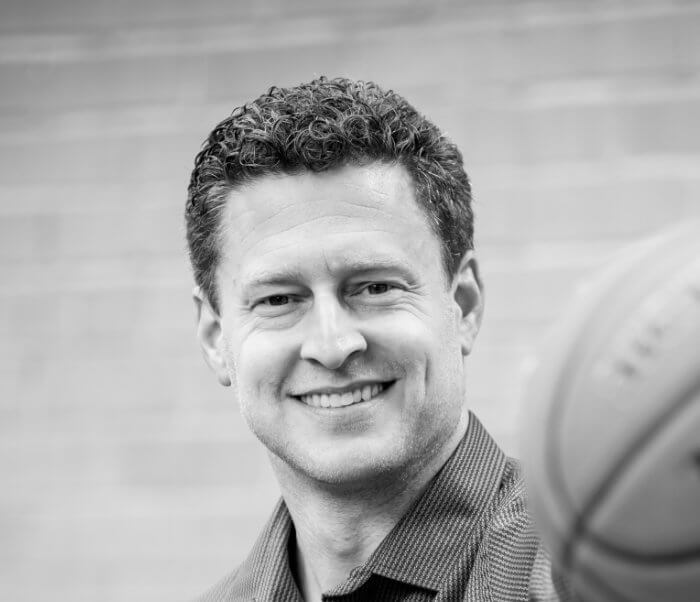
[00:00:48] Speaker B: today. We're delighted to host inspiring conversations with some of Canada's most experienced and humanistic leaders in sport. Today's guest, Steve McAllister is editor in Chief of Gaming News Canada, host of the Gaming News Canada show podcast and a co founder partner of Parlay Media Group. Over his career, Steve has served as Managing Editor of sports for Yahoo Canada, sport Editor of the Globe and Mail, and Media Relations Manager for the NHL Players Association. As national baseball Writer for the Canadian press, he covered the Toronto Blue Jays back to back World series championships in 1992 and 1993. Steve was president of Sports Media Canada until 2020 and is an inductee of the Brockville and Area Sports hall of Fame. He also spent eight seasons as an Ontario Hockey League official. Wow, that's such an impressive backstory. I love it. Welcome, Steve.
[00:01:45] Speaker D: Thanks very much, Dean. It's great to join you.
[00:01:47] Speaker B: Yeah. So before we get started, we have this little tradition here of checking in with each other and finding out what's coming across our desk. So why don't we start with you, Steve Indig what's going on?
[00:01:58] Speaker C: Two Steves today might cause a bit of confusion, but I have confidence.
[00:02:02] Speaker B: Am I the rose between two Steves?
[00:02:04] Speaker C: We will
[00:02:05] Speaker D: definitely,
[00:02:05] Speaker C: we will get through it.
Yeah. This week, Dean, I've got a lot of meetings just to touch base with clients, which is always nice to do. And maybe there's nothing particular of a work perspective that will come up come out of it, but as you know, after being in the sector for over 20 years, you become friends with people and acquaintances and it's always nice to just catch up and hear what's happening with them personally and then a little bit professionally and maybe some work will come out of it.
And the other part I want to talk about is on Friday of this week I'm meeting with a client who for over a decade now has been working on pan Canadian policies about trying to streamline policies across their sports sector. And I think I've spoken about this on the podcast before, but when this project started we did a policy inventory and there was 683 different policies across that one particular sport. And
[00:02:59] Speaker B: I know the client
[00:03:00] Speaker C: you do. And over the last decade, we've tried to whittle that down to still a somewhat large number when you think about it. But I think we're somewhere in the 30s and 40s rather than the 600s. But that's just the evolution of sport these days is policy, policy, policy. So, yeah, that's my week. And Dina, how about you? What's going on?
[00:03:21] Speaker B: Well, I'm really excited, Steve, because as you know, we've been, we've been on the leadership side. We've been a proponent of proactive measures, humanistic measures, trying to invest in the people who are going to be supporting a experience for athletes. And so I'm really excited because a couple of clients have reached out and they want to do NOVA. So NOVA training, Steve McAllister, is the use of a psychometric tool.
And we, we bring language and perspectives and motivations to people's consciousness, meaning they're more aware of what are my behavioral preferences, what are the motivations that drive me and how do I communicate, what's my default communication sty.
So when we do that one on one, it immediately people's consciousness is illuminated. They're like more aware of their needs and preferences.
When we do that in groups, that's the sticky secret sauce, if you will, of helping to build culture. Because now all of a sudden I understand, you know, my partner's preference, I understand why this behavior is hard for me, and then I take ownership of it and I can have a more intentional convers with my colleague about the things that are getting in the way and disrupting our relationship. So we've been doing this beautiful work for over a decade. And if I'm reading the tea leaves right, Steve's.
I think we're going to see a lot more of that coming out in the near future because people are tired of being reactive. I think they're going to want to invest in strengthening culture.
And as you know, Peter Drucker says, you, you know, if you don't, if you don't feed culture, it's going to eat you for breakfast, lunch and dinner. So, so that's a little bit about what I'm anticipating. What about you, Steve McAllister? I'm going to, I'm going to call you Steve M.
[00:05:19] Speaker D: Okay, that, that works, Dina. And yeah, I mean, I'm, I'm wearing a few different hats right now. It's in my role as editor in chief, Gaming News Canada. It's never been a busier time for the industry. We'll get into that a little bit later, I'm sure. But I also, you mentioned my background. I'm supervising officials on the Ontario Hockey association now. So I was in Hanover on Friday night. I've moved to Kincardin about nine years ago now. So I live up here on the shores of Lake Huron. So I was in Hanover to start my Thanksgiving weekend supervising officials at a junior sea hockey game.
Last week it was announced that there's a push up here. I live about 20 minutes away from the Bruce Power nuclear generating station and I've just joined a committee as a co chair there to advocate for a third nuclear generating station to be built. Was called the Bruce. Bruce Sea Project. So it was announced last week that I'm, I'm one of four co chairs on the Citizens for Bruce Sea Project.
And then also two years ago I was where I was recruited. Kincardin has a reunion every August. Long week. And every 10 years it's an incredible week. And everybody that's grown up in Kincardin or who's worked in Kincardin comes back here for the weekend. So I, I joined as vice chair of that committee two years ago. So we're in the process right now of having monthly meetings and getting ready. So. Yeah, my wife, you know, my wife's retired. She keeps wondering when I'm going to retire and it doesn't look like that's going to happen anytime soon.
[00:06:53] Speaker C: That's a perfect segue. Segue. Steve, before we get into talking about Parlay Media Group and what's happening in the, in the gambling and betting scene in Canada, I want you to take us back to little Steve and, and you've had a very extensive career with baseball and media writing and the Olympic movement. And how did, how, how did this happen?
[00:07:15] Speaker D: Yeah, it's a pretty, pretty easy story, Steve. It's funny, you know, I, I was always, always love, I was passionate about sports. I grew up in a family.
My, my mom and dad were both with coaches and minors for us. My, my parents actually started the first girls hockey team in Prescott, Ontario, which is about 45 minutes south of Ottawa on, on the 416.
My dad was, was a, was a referee in the Ontario Hockey League. He, he was a linesman in the American Hockey League for a year.
So it was kind of in my DNA. And I, and I was a voracious reader. I mean, I, you know, there, I used to go to the Prescott Library. There was an autobiography of Roger Crozier, the late, the late NHL goalie. I think I read that autobiography about a dozen times growing up as a kid and I, I used to have a scrapbook. I used to clip out articles from the Brock Times and, and glued into a scrapbook.
And so, you know, and then I guess I got to the point where like all of us, you realize that we're probably not going to be an Olympic athlete or not. We're not going to play in the National Hockey League or play Major League Baseball. So I decided early in high school that I was going to become a sports journalist and you know, hope that one day I might get a chance to write for the Toronto Star or the Globe and Mail. So just, you know, incredibly fortunate. Like I always joke with family and friends that I've, you know, I've had a lot of jobs. I don't know if that's a good or a bad thing, but I've, I feel very lucky to have had the experiences I've had in sport.
[00:08:44] Speaker C: Thanks for sharing that, Steve. I always like hearing how people ended up, where they ended up and, and why and what got you there. You know, about a decade ago, Dean and I, and you were probably there too, attended again gambling symposium here in downtown Toronto. And you know, my first reaction was why are we going to this? It's amateur sport, gambling doesn't exist in this setting. And then of course attending the conference, hearing about what's happening in Canada, hearing KGB members knocking on Canadians doors, how did that segue into, you know, Parlay Media Group being created and how was that applicable to the national provincial sport organizations?
[00:09:28] Speaker D: Sure. So in, in 2020 I got a phone call. I moved back to Kincardin in 2018. I'd taken a two year contract in corporate affairs at Bruce Power and you know, my wife and I decided we were going to come back here. I started my journalism career here in 1981.
Met my, met my wife here and we were living in Caledon and decided that we, we want to come back to Kincardin someday. So I got a phone call from a friend of mine, Mark Silver, who had worked in the digital side of tsn.
Mark said there was something going on with the legalization of Single Sports Brain and Canon. He thought there was a business to be started and was I interested in getting involved. And I thought sure, what, what the heck.
So we started, because of my background as a journalist, we started with a newsletter in February 2021. And at the beginning there wasn't a whole lot going on. So I was basically making stuff up. I was writing around, you know, I would write Something about Black Lives Matter and, and just using kind of my platform as a journalist to write about different topics related.
And at that time there had been a private members bill introduced by Kevin Waugh, a Conservative MP to, to create, to essentially legalize sports betting and give the provinces the ability to open expanded gaming markets beyond the provincial lottery and gaming corporations. So that, that did happen. As you both know, Ontario launched a regulated market in April 2022 that has about 50, 50 operators now running about 85 websites.
We have regulated gaming in Alberta as of this summer.
And as we record this podcast on October 13th, we expect they're going to be around 50 to 60 operators in Alberta doing business already. So regulated gambling is a runaway train to Dina's point earlier. I mean gambling has been around forever.
You know, there is, there is an, there is a very, very large illegal, illegal gambling or underground gambling business out there for lack of a lack of a better term. And I think, you know, as we get into our conversation, I think the one thing Steve, as you, as it relates to provincial national sport organization, it's critical that there's proper education around, around gambling and its potential impact on, on all stakeholders, you know, student, whether it's athletes, coaches, trainers, executives with PSOs and NSOs. So there's a real need for education around sports betting and the potential perils.
[00:12:19] Speaker B: It's interesting Steve, I'm going to add the S at the end, you know, when we start looking at all of the things that are downloaded onto the shoulders of decision makers and sport organizations from national to prevent to community, it seems like this is just going to be one more thing for them to educate their participants around. And so just curious, what are some of the, you know, governance and integrity issues that you see Steve McAllister on, on how, how we need to address this proactively, responsibly.
[00:12:52] Speaker D: I think it's to, to still realize that I know there's a lot of noise around regulated gambling and I think a lot of that is attributed to the amount of advertising that we've seen out there over the last, the last five years.
But there's also, you know, the problems with, with athletes. Well, there's, there's two, two issues. One is, you know, the manipulation of athletes and that, that almost overwhelmingly comes from illegal, illegal operators. And you mentioned the KGB early Dina. We know that with the mafia and organized crime that gambling is still a very large source of revenue and those opera, those operations tend to pray, they're not praying on the, on the LeBron James's and Vladimir Guerreros and athletes that are making hundreds of millions of dollars. They're, they're preying on soccer players that play in Tier 2 and Tier 3 soccer leagues or tennis players that are playing in obscure leagues and in Russia.
So there's, there's definitely, you know, an education program for athletes when it comes to being approached by those types of people and for the Canadian sports system that there would be a lot of athletes who could well fall into that category. And then the second thing is athletes understanding that you should not be betting on the sport that you play. And we saw very early in the regulated gambling space in Ontario where Shane Pinner of the Ottawa Senators was suspended for half a season because he violated the NHL sports betting policy or gambling policy.
The pro sport leagues do have sports have gambling policies in place now heavily focused on sports betting. I'm not sure that's quite the case with NSOs and PSOs, although I do know organizations like the Canadian Football League has an education program for its athletes and front office staffs every year.
Sport Integrity Canada, I believe has worked with the Canadian Olympic Committee on education of athletes. But, but it feels to me that there's a lot of work to be done there.
[00:14:55] Speaker B: So, you know, thanks for that. I guess a lot of what I'm thinking about is again downloading some of these societal, you know, options and opportunities onto the shoulders of athletes and coaches and, and decision makers. So I think it'll be interesting to see the moral implications of that. You know, thou shalt play, but thou shall not dope, thou shall not gamble, you know, thou shalt, thou shalt maltreat each other. So it's really interesting to be looking at these. I call it, it's a game of whack a mole in a way. Right. We have all of these different issues.
In what ways are we, you know, getting ahead of this and being more proactive with the kind of sport that we want. Right. A more values based orientation. So it'll be interesting, I think. Steve, I don't know if you have any comments on. Canada tends to be a leader in doing playing this game of whack a molecule. This future of Sport commission was really heated on 30 years after the Dublin inquiry was trying to make a case for a much more proactive approach, an investment in the governance and the ways in which sport is designed and delivered. So it is a symptom, I'd say of a much larger governance problem.
The topic of betting. What are your thoughts, Steve?
[00:16:16] Speaker D: Yeah, I think it's important to realize, Dan that sports betting isn't going to disappear. Like if the federal government decides tomorrow that it's no longer legal to have legal sports betting, sports betting is not going to go away. I mean, I remember as a child sitting in my friend's living room laying down a dollar on whether the Leafs or Islanders were going to score the winning goal in game seven of the Stanley cup playoffs. And my late father in law trained Standard bred hors. And I would go with my wife's family to Greenwood Raceway and Mohawk and Woodbine, and I would bet $2 on my father in law's horse to win a harness race on a Saturday night. So the genie's out of the bottle. And social media and the Internet has put. You know, I think what I want to say, Dean, is this is such a complicated issue and social media is a heavy part of it and there's a, of lot, you know, we, we talk an awful lot about the advertising on, on television and that way when you mentioned whack a mole, that tends to be most of the criticism. But we know, like, I know there's a ton of advertising on social media channels. I mean, I scroll, when I scroll down my Instagram feed at night, almost every third post is a, is a, a gambling ad.
And more often than not, they're, they're gambling operators that are scams or they're illegal operators. And it's, it's something that I've tried to, I've reached out to Meta and have been unsuccessful in getting a comment from Meta on why they allow these ads to happen.
The Future Sport Commission. One thing that came out of that report was a recommendation that revenue from the regulated sports gambling industries and the provincial lottery and gaming corporations get used for mental health programs or education programs for student athletes. And I, I think there's a ton of merit for that. And it's one thing the Ontario government's done a very poor job of.
This industry has delivered almost $3 billion in tax revenue, essentially launched in April 2022.
And the government hasn't done a very good job telling the story of where that tax revenue goes. And to me it's a batting practice, fastball. I mean, we know that we have major issues around mental health, mental illness in this country right now.
And we, we do know that addiction is an issue, whether it's, you know, drug addiction, alcohol addiction, gambling addiction, that that money could be steered towards those, those programs. And that, that would be a good story for any government to tell.
[00:18:57] Speaker C: Steve, you, you opened up the conversation a little bit about advertising. And right now we're seeing, you know, I have to question why you're going down the Instagram scrolling doom reels at, at nighttime. But we can talk about that another time. But you know, sports betting and advertising, particularly at the major, major sport level is, is predominant. Do you see it creeping into the amateur sports side? And if so, is that the responsible thing for an NSO or a PSO to accept those kind of funds?
[00:19:29] Speaker D: Yeah, it's an interesting, it's a great question, Steve. And, and you know, one thing I've talked to some operators about since I started covering the industry was the opportunities for these companies. And, and again, keep in mind, these are, these are legal. These companies are, I've been giving licenses to legally operate. So my take has been if you're, if you're a legal business, you should be able to spend your marketing and advertising dollars as, as they see fit with, with guardrails within a regulated industry. So, you know, I wondered in the beginning why more operators weren't getting on board with women's sports and why, why we weren't seeing more sportsbook and online gaming operators lining up to do endorsement deals with the pwhl, the Northern, the Northern Super League, the wnba, which has the Toronto Tempo here now. But a caveat for that, which me was really important and which really hasn't happened is that those sponsorship deals should be tied to responsible gambling messaging.
And you know, so if you, if you did a, you know, if an operator did a deal with Skate Canada, for example, or the Canadian Olympic Committee, part of that campaign should be that you have, you have Canadian athletes speaking and helping in the, in the education process around, around gambling responsibly. And you know, I don't know if as a responsible gambling, as a safe gambling, it's just, it's letting people know that there are, there are dangers to betting and you should be doing things like setting a limit. And to me it's no different than a couple having, having a budget on how often you go out for dinner every month or you know, how often do you go on a vacation or you go go watch, watch a concert and, and having a budget to, to gamble. And I think that was one criticism I had early when Connor McDavid did the endorsement deal with BetMGN, as I felt that there wasn't that there should be a sober commercial featuring Connor McDavid talking about the need to just educating the young people about gambling.
That's something that MGM has addressed. They have invested a lot more in the Connor McDavid deal on the responsible gambling messaging.
I was in Las Vegas two weeks ago at the Global Gaming Expo. Spoke with about MGM people. They just finished filming a second commercial with Connor McDavid. David, that's going to come out in November.
Just quickly. The most effective bit of responsible gambling messaging I've seen in five years is a commercial with the Mannings, Archie Payton and Eli Manning who were doing work for Caesars five years ago. And it was the three of them just sitting at a kitchen table having a real sober 30 second conversation in front of a camera about the need to, need to be smart when you, when you gamble. That's the best commercial I've seen and that, that's an example I, I bring out often in, in the, in my newsletter and, and also when talking with operators like why aren't they doing more of that
[00:22:40] Speaker B: makes me think of in the early days of remember with the smoking packages we would put pictures of cancerous lungs and we know that that kind of fear tactic doesn't work with young people because of course young people think they're going to live forever. Right. And we think of back in the days of prohibition and what was that happen with you know, the use or misuse of, of drinking. So we, we can learn from other sectors and their relationship with addiction prone, you know, usage to inform how, how we want younger people or people that are at risk. Right. There are a lot of vulnerable populations. There are people who don't have means who are more suspect to, to the dark side of any of these entertainment filled activities.
So I think it ethical practice to ensure that people who are engaging in this form of entertainment are doing so, understanding the potential perils and as responsible stewards that we put in place these safeguards so that you know, we're, we're not creating more harm. And yet it is counterintuitive because truth be told it is the bottom line that they're looking for, right. The more bums and seats they have, the more people that are gambling, the more that they're lining their pockets. So it is a push pull kind of experience and where we really, I think as responsible citizen citizens need to understand is that the Internet now it's a whole other ball game. It was one thing when we had to you know, go into our parents liquor cabinet, not that this ever happened and you know, would replace the liquor with water. This is a whole other level of scalability around the unintended consequences of having access to something that can dramatically change your life and referencing you know, the rise in suicide, for instance, with we know that younger men are more likely to be gambling than any other cohort. So I think it's really interesting, Steve McAllister, your, your thoughts and leadership on this so that as a journalist. Right. We want to be able to tell the truth and give a fuller picture around something. So I, I do feel the, it is a, it is a in progress conversation for sure.
[00:24:55] Speaker D: Yeah. And a really important, really important demographic or segment to reach out to on this. Dean and Steve and Steve, I think you mentioned earlier, earlier when you talk about education, it's the parents and, and in Ontario you, you have to be nine years old to sign up for a sport for, for a, a sports book or iGaming account. You, you just can't go on bet365 as a 12 year old and get an account.
And I, and, and I've, I've seen it, I mean I drinking card in the summer and, and earlier this summer or I think was maybe back in the spring, I'm sitting in a room listening to a 15 year old boy talk about betting. He was going to bet on the NFL games that night or the NBA games and then he was going to someone's house to play poker. And I've talked to many, many parents who, you know, they've, they admit that they've given their, their sons or daughters their credit card information and they, and they've set up a sportsbook account for them, them. So when we talk about PSOs and NSOs, you know, I think there should be mandatory education for any high performance athlete or an athlete in that pipeline. But the parents need to be included in that conversation and be educated on gambling as even simple things as what's regulated gambling and what's illegal gambling. What are the dangers?
What's a legal age to sign up for an account helping parents understand the dangers of that.
There's a group called the Responsible Gambling Council that you both might be familiar with and they just introduced a program last year where they're going into high schools now and they're educating student athletes and coaches about gambling and the dangers, which is a terrific program. I think that's a program that I'd like to see broadened and become part of the education process within provincial sports bodies and national sports governing bodies.
[00:26:56] Speaker B: It is a curious timing, Steve, when we think about,
[00:27:01] Speaker C: I think you've alluded to it, Dina, but like what my, where my mind's going and what worries me is we just keep putting more training and education and obligations on PSOs and NSOs who have three staff or one staff, you know, and how do we do that successfully? So I really like hearing Steve, about the organization you said that's going into schools and, and it's taking that responsibility off the PSO NSO model, which is probably, let's call it, overworked already. So I'm a big advocate for that. My mind's going, is, wow, another thing we have to be responsible for. And I'm not sure we're doing a great job already of the things we're supposed to be doing already.
[00:27:46] Speaker B: Yeah, it is true, isn't it? Like the system itself is overburdened. It was never designed in the 70s when we reimagined in sport to deal with all of the societal, you know, limitations and ailments. And, and we, we look and uphold sport as this promise, right this, this amazing experience that hopefully if it's designed well, children and youth have an extraordinary experience and they end up being productive and responsible, you know, stewards of the planet and of, of each other and contributing members of society. And yet, yet there's a lot already on this very fractured system that, that we need to attend to. You know, Steve, before we, we have our rapid fire. You and I share a passion for journalism. Both of us are trained as journalists and I, I'm, I'm very interested in your thoughts on, you know, the evolution or devolution of, of the sector of, of journalism.
This commitment to be able to speak truth, to offer stories, to bring clarity to, to, to share what people maybe don't want you to share and where we're at right now as a, as a sector. So just curious, you know, what do you, what, what recommendations would you say to these overburdened sport leaders around how to get their communications and messaging networks out?
[00:29:12] Speaker D: Yes, it's funny, Dina. When I, when I left Yahoo in 2016 after the Rio Olympics, I started a company with a friend of mine, Colin Campbell, who had been a longtime sports marketer. He was, he was, did, he was in charge of sponsorship sales for the Canadian Hockey League at one time. And our, we created this business where we would produce short form videos that was social media friendly on behalf of PSOs and NSOs.
And we kind of beat down the doors for 18 months and just didn't have a whole lot of success because to your point and Steve's point, these organizations tend to be both under resourced and underfunded. And even though there was a lot of positive feedback that what we were proposing, it just wasn't in the budget to bring in that kind of support. And it's funny, when we look at today, I almost feel that Colin and I, we were almost a decade ahead of our time because you look, there are a lot of, of PSOs and NSOs that do a really good job now social media and they understand that if you don't have, if you don't have reporters, you know, I live in a town where we have three newspapers now but they're, they're, you know, one cease being a physical publication this summer because it was eight pages and no advertising.
The papers that have basically there's one, one real journalist at the three newspapers, they don't cover councils anymore.
So you know, it's really incumbent on these organizations to tell, to tell their own stories because there just isn't enough media out here. And we, we could do a whole other podcast about, about the North American media landscape but it's a, it's a sad state of affairs because there's not really anybody, not enough people holding people accountable. And you look at the sports beat where you know, Rick Westhead is one of the few journalists out there today who does a lot of really good investigative work work and on the sports industry and has been a difference maker in bringing, bringing the kind of changes that need to be brought in sport across this country.
[00:31:19] Speaker B: So there's a. To be continued.
[00:31:22] Speaker D: Yeah, well. Yeah, well, we'll regroup and three of us will regroup in a year's time and we can, we can have a full podcast on that.
[00:31:28] Speaker B: Yeah, I agree.
[00:31:30] Speaker C: Just one last question before we get to the fun part. I wonder what your advice would be to our listeners who are mostly of course amateur sport related pso, NSO club based about.
I don't know anything managing media about the gambling issues.
What do you, what would you recommend to them?
[00:31:49] Speaker D: I think, you know, when I talk to students, Steve, at schools and I've spoken quite often to the, to a leadership class at the Hill Academy in Orangeville and one thing I always say to those people is you can't read too much.
And again and I say that with an asterisk that going on social media and reading things on TikTok and Instagram and Twitter, you've really got to be careful that. So what I would say is read books, read newspapers, read the Globe Mail, read the Toronto Star, you know, read the Calgary Herald.
There are a lot of really good newsletters and journalists doing work on Substack now and on LinkedIn in. So go to credible sources of information and then the you know, we talk about there, there are a lot of, certainly a lot of ills connected with social media, but it also presents an opportunity now to tell your own stories. And I see a lot of, I see a lot of athletes out there who do a great job telling, telling their own, their own stories. And there's some NSOs out there doing some really good, really good work telling the stories of their, their, their athletes. You know, like I look at Volleyball Canada as an example. Like I, you know, every week and I'm scrolling through, when I scroll through Instagram, I'm, I'm watching how their athletes are doing at a, at a beach volleyball event Montreal or, or at a league's, a league cup event somewhere. And, and so social media does give you an opportunity to, to do that because the days of, you know, when I worked the Canadian press in the 80s, Dina, you probably remember Louis Daniel. I used to, we used to get 20 stories a day from Louis, from everything from downhill ski races to bobsled races.
My, my, my great late friend Randy Starkman and his wife Mary Hines used to travel the world covering, you know, covering sporting events for, for that, for, I think it was ISI or it was a, basically a national wire service that the NSO help fund to, to, to cover their, their athletes. So I would say read and then take advantage of the fact that you can tell your own stories on social media.
[00:34:03] Speaker B: Wise words.
Thank you, Steve, for being here. It's really a privilege and a pleasure to connect with you. So now the, the fun part of our podcast, which is kind of fun because it brings a sense of, oh, here's the man behind, you know, the, the, the, the label and the reputation and the, the great stories. So we want to know, we're going to start off with what's your favorite animal?
[00:34:29] Speaker D: Oh boy, that's a tough, I'd say a dog. I've, I've got, my oldest daughter has two, two Rottweilers and, and my youngest daughter has, I think it's an Australian sheepdog. So yeah, I, I, I, even though I don't, I don't want to be that dog owner these days, I, I do love dogs.
[00:34:48] Speaker C: That's fair, that's a fair comment, Steve. I believe my dog has a vet appointment this afternoon. So
[00:34:54] Speaker D: there you go,
[00:34:56] Speaker C: Steve. Salty, spicy or sweet?
[00:35:00] Speaker D: Spicy.
[00:35:01] Speaker B: Okay, we're taking notes next time we have dinner.
What's your best childhood memory?
[00:35:08] Speaker D: Oh, boy.
I think, I think we lived kitty corner to the original high school in Prescott, and there was a field across the street, so it was referred to as the old high school. And I spent so many hours there with my brothers and my childhood friends playing, you know, baseball in the summer, soccer in the summer, football in the fall. And then just around the corner from our house where I went to public school, Central Public School, there was a play a cement playground there. So we would play ball hockey for hours. So that those are my best memories is just growing up and playing sports. And it's funny, Steve and Dina, when I, you know, I still get, still feel a little sad when I'm driving through Kincardin in the wintertime. We get some pretty severe winter storms up here on the shores of Lake Huron and I don't see any kids out playing ball hockey. And when I moved here in 1981, I met some friends and when there was a snowstorm we would put on our snow suits and go out and we'd play ball hockey on the streets and check each other in the snow banks. And so I just have so many, so many memories growing up and just playing sport and having fun.
[00:36:18] Speaker C: I'm thinking to myself, Steve, as you reply, I'm like, what would I answer those? And it was a very similar response. My parents owned a motel in a small town in Nova Scotia and we had an overflow parking lot that I convinced my parents to turn into a basketball court.
And every day from 3:30 till 10:00 clock at night, we'd be out there playing basketball and it actually became the town place to play for a really long time. And now when I get to go home, not very often I drive by and it's now just a parking lot. So it's a bit, a bit sad. But last question for me, Steve, you just kind of answered it. But maybe the sport you played the most as a kid.
[00:36:56] Speaker D: Oh boy, that's a tough one.
Yeah, I mean baseball and hockey are kind of my two passions. I've, you know, I played the game. I, I was lucky enough to coach my, my three children when I moved to Kincardin. I, I coached three of nieces and nephews up here in the last five or five or six years.
I love the, the, I love the fact that I'm able now to go out and do some coaching with our referees and lions people across the Ontario Hockey association. And there's just something about baseball. You know, I think like a lot of Canadians, what the Blue Jays did last year kind of rekindled our love for, for baseball. And I, I find myself now watching, watching a lot more baseball than I than I did. And it's just, it's just a great sport to spend time, you know, sitting on the couch with your wife or sitting with a bunch of your friends, just watching, watching a baseball game and second guessing the manager. But yeah, I would say it's probably a tie between those two sports. Steve.
[00:37:56] Speaker B: Okay, final question. Your favorite book?
[00:38:00] Speaker D: You know what?
When I got the note from Colette Kadera to do some prep work for this podcast, I did. I'll have to admit, Steve, I ran down some downstairs and went through my bookcase. But the one book that really resonates with me is a book called Whose Puck Is It Anyway? And it was a book Ed Arnold was, was the editor of the Peterborough examiner and he, he was, he was bothered by the fact that he was watch, he would watch rep hockey games and see the, you know, teams winning at all costs and kids sitting on the bench and there not being enough development taking place. So he, he coached a minor novice AAA team in Peterborough for a year and recruited a couple of retired NHLers to delay Greg Mellon and Steve Larimer. And his philosophy was that everybody plays equally. They're going to play different positions. This isn't pursuit of winning. We're going to get better, but we're going to have fun. And it's a book that I've passed along, I think I've bought three copies now. I'll pass along to somebody who doesn't return it.
But it's a, it's a book that, it really gets to the essence of what's wrong with grassroots sports today, where we've lost, we've lost the plot.
And, and it's, it's a horrible thing to say, but I, I, you know, I, I, I, I went to, I went to an AGM with the Brampton candidates when my girls were first starting to play hockey. And I wanted to amend the constitution and put in a fair play clause because I had seen my, my 10 year old daughter get benched in a tournament, an Adam housing tournament. And I'd listen to stories of parents talk about their kids sitting at the end of the bench and crying when they came out after the game. And I had people yelling at me at the meeting when I proposed the amendment and one guy yelled at me, play to play to play to win.
And it's the one thing that bothers me the most. And it's something even with JRC hockey coaches up here year. I'll talk to those coaches and I'll say, you know, you've got kids that are going to university and colleges all week. Then they drive home to play an 8:30 game on a Friday night and who wants to do that and sit on the bench or play three shifts in a game? So whose puck is it anyways? Had an amazing it's almost like it's comfort food for me and it's something. It's a book that I'm quick to share with other coaches out there.
[00:40:27] Speaker C: I love the fact, Steve, that in our 30 to 40 minute podcast here today, we have set our agenda for the next year of podcasts and discussion points. So thank you for that, Steve.
I really enjoyed today's conversation. I appreciate your time coming in today and doing this with us.
[00:40:46] Speaker D: No, that's a lot of fun.
[00:40:48] Speaker B: It was great having you and we look Forward to part 2, part 3 and part 72.
In the episode notes below, you will link to other Sport Law blogs that provide helpful information related to our conversation today.
Thank you so much to our listeners. We're so grateful to share our vision of Sportopia with you as we all look to elevate sport.
[00:41:10] Speaker C: As always to have your say in Sportopia. Email us@helloportlaw CA to let us know what you want to hear about next. Have a wonderful week and we look forward to connecting again soon.
It.