Episode Transcript
[00:00:00] Speaker A: Hi, it's Steve Vindig at Sport Law.
[00:00:02] Speaker B: Leave me a message.
[00:00:03] Speaker A: I'll get back to you as soon as I can.
Hey, Steve, it's Dina. You aren't going to believe what just came across my desk. We need to chat. Give me a call.
[00:00:39] Speaker B: Welcome to the latest episode of Sportopia. We're so excited to share our knowledge and have conversations about healthy human sport.
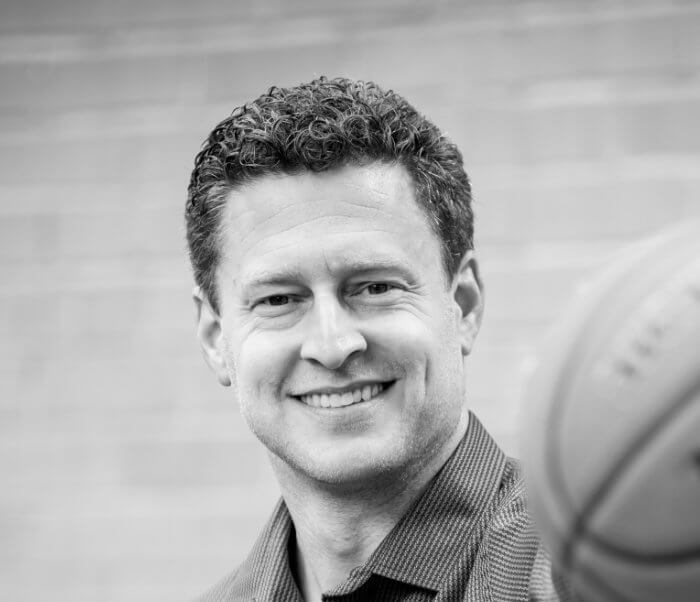
[00:00:47] Speaker A: We're delighted to have launched our newest series called Lessons on Leadership. We've had the privilege of connecting with incredible leaders over the past few years and thought it would be helpful for our listeners to learn from some of sports most inspiring visionaries. In this episode, we welcome Matthew Gentes, the Chief Executive Officer at Athletics Canada.
Matthew started with Athletics Canada in 2005 as the manager of Marketing and communications. After holding similar roles with Softball Canada and the Canadian Colleges athletics Association, in 2008, he became director of Public Relations and Corporate Services at Athletics Canada before ascending to the role of Chief Operating Officer nine years later.
We're so delighted to have Matthew join us to share his Lessons on Leadership. Welcome, Matthew.
[00:01:37] Speaker C: Welcome. Thank you.
[00:01:39] Speaker A: Before we get started, we have this tradition of checking in with each other and finding out what's coming across our desk this week. So, Steve, you're up. What's coming across your desk?
[00:01:48] Speaker B: Okay, Dina, I'm stealing a page from your book. I am doing a lot of planning this week, trying to organize personally and professionally for the next nine months. We'll say until the end of the. In the end of the calendar year. So spending a lot of time looking at projects in the future, personal trips that I want to take in this year.
[00:02:15] Speaker A: And where are we going?
[00:02:17] Speaker B: Where am I going? Where am I going? Well, first jaunt will be a little quick getaway, downtown Toronto. My wife and I have a very tough time getting time together in our crazy lives and, and then looking at a trip likely my. For my daughter's birthday, we might be looking at something in New York City.
[00:02:38] Speaker A: Oh, she will love that.
[00:02:39] Speaker B: She was her idea. So try and keep her away from too many shopping centers. But yeah, really this week, just looking at a lot of planning over the next nine months and, and making sure the company is set up for success and then also trying to achieve the things that I want to achieve over the.
What about yourself?
[00:02:59] Speaker A: Oh, I'm really happy for you because, you know, planning to fail means we. If we fail to plan, we, you know, we end up spinning our wheels and losing time. And I know how good you are with time. Time is money and time is Energy. So I'm, I'm really happy that you're making time to plan out your time.
[00:03:18] Speaker B: Well, I, I, it's already, we're recording this in mid March and of course this should have been done two and a half months ago, but it is what it is.
[00:03:26] Speaker A: All right, let's be gentle with ourselves, Steve.
Okay, good. So I'm looking forward to seeing your pictures on these trips that you're planning to take and thank you for mapping out stuff on behalf of the company that, that's so appreciated for me. I'm actually doing something that you'll be really happy about. I'm connecting with. I have four meetings with different clients who've reached out to us, and one just came in before the call.
They want us to respond to either RFPs or they're coming to us because they have significant needs, immediate needs, maybe a crisis or two brewing. So being able to connect as you know, with our clients and just listen to what their pain points are or what their hopes and aspirations are for a project really fills me up, makes me feel like I'm being in and of service. And usually those calls are on the house. So it's like we're having a virtual coffee. So I'm having lots of coffee virtually with clients this week. What about you, Matthew? What's going on in your world this week?
[00:04:25] Speaker C: Yeah, actually the theme lessons on leadership is really good for what I've got going on this week. I just happen to have my annual staff reviews with the six people that make up my senior leadership team at Athletics Canada.
So I've got a bunch of those scheduled this week.
And then at the tail end of the week, we've got a big board meeting to present and hopefully approve our 26, 27 budget. You know the NSO world these days, Olympic and Paralympic, amateur sport for sure. The, the finances are, are a little dicey at times and it's a complicated situation right now and it's a difficult situation. So, yeah, looking forward to getting through that this week. And yeah, so it's a pretty busy week, but there is March break just around the corner and my kids are off school, so I'll be off next week. So, yeah, put the head down and get through this week knowing that next week a little bit of reflection, reprieve, and a little RNR is just around the corner.
[00:05:21] Speaker A: Good. Well, if people are listening, tip number one, we must pause to rejuvenate. We must pause to get away, gain clarity, connect with our loved ones. So where are you headed? I'm Sensing you're probably going somewhere warm maybe.
[00:05:35] Speaker C: That sounds nice and wishful thinking.
No, it's going to be a bit more of a staycation type of thing and just kind of do day trips with the kids.
My daughter's got a couple hockey camps lined up as well, so yeah, a bit of a staycation. We'll kind of figure out day by day what we're doing, but that's actually kind of my favorite kind of vacation.
So, yeah, really looking forward to it.
[00:05:58] Speaker B: Matthew, I'm looking at your LinkedIn profile in preparation for today and note that we are very similar vintage the years we were in college and university as well as entering the sports sector.
So I, you know, you've been, you've been around since the early 2000s in the sector. A couple questions is, you know, why? What motivated you to get into the sector? And, and why are you still in it?
[00:06:27] Speaker C: So I, I, growing up in a small northern town of Sault Ste. Marie, Ontario, there was pretty much hockey and then there was hockey and then, and then if you didn't have anything else to do, you played hockey. So I, I grew up thinking I was going to be in the NHL, which a lot of boys do, but realized as a goaltender topping out at a whopping 5 foot 9, that probably wasn't going to be in the cards. But I really did like the sport world. And it's funny like, you know, you talk about the instances in your life that lead you to where you are now. And so I was in grade 11 or 12, really had no idea what I wanted to do with myself yet other than I, I kind of like business and I liked sports and Laurentian University had somebody come in and do a presentation about the sports administration program.
And like, for me it was like a light went off. I'm like, wait, what?
Like this, this, this exists? This is a thing like I can go to university, get a business degree and potentially work in sports. So that's kind of where the light went off and the interest kind of grew. And then, yeah, after Laurentian University was lucky enough to, to get right into the sport world and, and just absolutely love it. You know, I just love the work that you put into it and to see athletes succeed and, and providing opportunities to, to just, you know, represent their country. And so there's so many really cool things and you know, I kicked it off by talking about the difficulty in finances and that kind of stuff right now in this, in the amateur sport world. But there, it's so rewarding in terms of what you do. So that's probably answers to why I'm still around is I do really enjoy it and love the challenge and love the output of working in sport. I think it's just absolutely fantastic.
[00:08:12] Speaker A: That's a great story. And you could go knock on Shorzy's door and say, hey, maybe there's a role or a cameo for you. From Sault Ste. Marie to Sudbury. Right. Have you seen the episodes of Shorzy?
[00:08:27] Speaker C: Yeah, I've seen a little bit. To be quite honest, I haven't gotten right into it where I'm watching full on episodes, but I've seen clips here and there. So I think from the clips I can pretty much deduce what it's about and what the full runs on. But yeah, so certainly familiar with it and recognize old sub arena as well.
[00:08:46] Speaker A: Yeah, exactly. I think what it speaks to is how important sport is and even in these small communities, what brings us together? Sport, sport, you know, what divides us. Sport. Right. My team versus your team and everything else. So really appreciate that. We love learning something new about people that we've worked with, Matthew. So that's great. Maybe tell us about a peak leadership experience that you feel aligns with your values and maybe has defined your leadership approach.
[00:09:15] Speaker C: That's a good question.
You know, I think in terms of a peak leadership experience, I don't look at it as like just one moment for me, I look at it, it's more. It's about an approach and it's not a single instance for me, you know, what I get the most out of it. And what's really rewarding is I think more of the result of the culture that we've tried to build, especially at the Athletics Canada team.
I strongly believe, and we've really tried to install this culture that if you want people to be at their best and to do their best work, they need to feel respected and supported as kind of people first. And you know, I know that in most organizations, you know, everyone on our staff is juggling with, you know, kind of like real life, right. Families, kids, juggling kids activities, personal responsibilities and, and you know, all sorts of things. So, you know, I really try to lead with the mindset that, you know, those things really matter and we want to ensure there's a place for them. So, you know, when someone's dealing with something, you know, we support them and you know, not just in words but in actions and, you know, we make sure they get through what they're going through and we're there for them on the other side. Of it. So, you know, we've had a few instances of that, that, you know, situations that I've kind of dealt with and navigated and I think for me kind of those peak, that peak leadership experience is just the recognition and thanks that people have for that kind of approach kind of after.
So, you know, we've really built, I think, an environment where there's, there's real flexibility for people to kind of balance their jobs and their life realities. And you know, we really, you know, I run a really family first approach that kind of recognizes that. And you know, when people come up to you and thank you for that or in a certain moment where they were juggling with a thousand things and you know, you were supportive or provided an environment where they can kind of juggle both things and they, and they kind of go out of their way to thank you for that after and for kind of creating that environment. Like, for me, those are the experiences that I, you know, I really kind of value. So.
And really in my experience, you know, kind of when you create that kind of culture, that kind of environment, you know, people rise through it. So yeah, I think for me it's not about a moment, it's, it's about kind of creating that environment and those moments where people recognize that, you know, they're in a kind of a really special place where they're, you know, they're being valued and you know, not just as a staff person, but as a,
[00:11:43] Speaker B: you know, a person to play off that. Matthew, you know, to come up with that values or that approach to leadership, there's a lot of accommodation, there's a lot of flexibility.
I guess this is a two part question is, you know, have you seen that being taken advantage of? And then also have there been some challenging experiences that you've had to deal with and then how did that shape you or maybe change your mentality on a particular topic moving forward?
[00:12:12] Speaker C: Yeah, so, you know, I think with the first part of it, you know, I, I don't, you know, when you create kind of that kind of culture and that kind of environment, you know, in my experience, we, we haven't had people take, take advantage of it. You know, I think there's a few reasons for that. I think number one is I think people feel lucky to, to be in that kind of environment. It's, it's not always.
Every organization's not like that.
Whether it's the sporting world, sport industry, you know, government, private business, you know, there are lots of horror stories out there and I think so when People recognize that they're in a place where, you know, they can kind of balance and juggle those things and there's space for that. I think people value that and they kind of, you know, quote unquote, don't want to mess it up. So, you know, we really haven't had experience where people are taking advantage of that. But I, you know, from a challenging perspective, you know, I'd say anytime that you're making decisions when, when you know, they're not going to please everyone. And I think in sport especially, you know, people are incredibly passionate. You know, whether it's athletes, coaches, you know, your provisional branches, you know, your officiating community.
Everyone cares so deeply about what they're doing and their place within it that it does, it does kind of, there's a bit of a heightened awareness around that. So, you know, I think in the moments where, you know, you have to make, I've had to make decisions that were kind of more necessary for the, you know, long term health of the organization or the direction that we're going in or kind of strategically, you know, sometimes those can create some short term tension till you can get through those moments.
So those are never, never easy.
And especially when the people on the other side of the conversation are kind of people that you respect and you care about at the end of the day. But, you know, you kind of have to make those decisions.
But you know, what really kind of reinforces it for me is, you know, leadership kind of requires kind of clarity and integrity. I think those are kind of two things that are pretty important. So, you know, you have to listen carefully. And I've always, you know, whether it's when I became CEO or when I became COO prior to that, like, for me it's always kind of listen first and that's always my approach.
You know, whether I'm coaching my kids minor sports or whatever it is, or whether I'm part of like a new, like men's league pickup hockey group. Like for me the first thing is when you're in a new group is listen first. Who are these people? What's important to them?
You know, not just kind of jump in and, and kind of grunt your way through it. And, and so I always think that kind of like listening first and kind of gathering those perspectives is really useful. And then, and then, you know, when you're having to make decisions, then, you know, once you've done that, I think one, you have a bit more respect, credibility and, and you can make better decisions. So, you know, I Think that's super, super, super important.
And kind of all those different experiences really, you know, shaped me that by reinforcing that, you know, leadership, it's not always about avoiding difficult moments. You know, it's kind of about navigating them with honesty, respect, transparency. So, you know, one of the most challenging things I've learned as leaders that, you know, sometimes doing the right thing disappoints people. Right. And you have to be okay with that. And I find, you know, I think you see a lot of it come early in leadership.
You want everyone to feel good about decisions, right? You want those wins all the time. And you know, that's like the easiest way to gain people's support. But you know, you, over time you realize that's not possible. So I think that's some of the challenges that you end up navigating. But yeah, hopefully that kind of answered what you were looking for.
[00:15:50] Speaker A: Yeah. Thank you, Matthew. I was just writing down, sometimes doing the right things disappoints people. I think that's really powerful because I've been taking notes here around your philosophy of management by values. And interestingly enough, I'm taking you back a moment.
I interviewed the then CEO of Athletics Canada and was talking to him and other leaders in the NSO community for my master's research. I was really curious, beyond mitigating and eliminating risks, is there a way for us to get ahead of all of this and start to lay a foundation that brings the right people together on this bus to, as Jim Collins would say, and then help us define where we want to go, why we want to go there, who are we going there on behalf of? And then what are the values that we're going to use to make these, these really good decisions? And I so appreciated that you spoke about short term implications.
Sometimes doing the right thing is not immediately, you know, recognized by people as being the right thing. But if you're forecasting for 10 years down the line, 20 years down the OR as wisdom from indigenous people is calling us to think about seven generations, then of course those that are more focused on short term success aren't going to be able to see your vision. So I appreciate that. And the other little anecdote I'll share is in research and Jim Collins, again just referencing his beautiful work around good to great and level five leadership, which you're speaking, you know, our love language around that, Matthew, your way of sharing your stories around being deliberate, intentional listening first. So he has this little anecdote that goes something like the most Impactful leaders that stay the course are those that are more introverted often.
And the reason why is they tend to listen first and then respond, not react.
So that is something that you were speaking to. And he uses this analogy of saying the most impactful leaders that he saw and he traced this over performance metrics that was economically driven.
He said these leaders exhibited this quality of being and of leadership that sounds something like this. When things go wrong, they look in the mirror and they ask themselves, what can I do to help support or fix the issue? When things are going right, they're looking out the window and, and learning from their people and learning about what are the practices and the approaches and the relationships that the leader can help stimulate more of.
Just in listening to you, it felt like you were really aligned with Jim Collins Level 5 leadership model.
[00:18:51] Speaker C: Yeah, I'm familiar with his work for sure. And yeah, that's an interesting parallel for sure.
[00:18:58] Speaker B: Matthew, again, I keep going back to our vintage.
You know, you've been in the sector over 20 years as, as, as have I and I'm wondering your thoughts on the evolution of sport. You know, we always, from my perspective, I always kind of use this example. You know, 20 years ago we would have recommended five policies to run a sport organization and today we're recommending somewhere close to 30. So obviously the sport has become more policy driven.
Different issues, different things we have to tackle on a daily basis. I'm wondering what your thoughts are on managing that evolution and then what do you see the future looking like?
[00:19:45] Speaker C: Yeah, great question. I mean, I think the biggest evolution that I've seen and I think it's been probably in the last eight to ten years, but probably closer to that kind of the seven to eight year mark is really the whole, the whole piece around kind of like winning. Well and you know, I think when I first came into the sport industry, I think it was really about kind of winning no matter what.
Now, you know, there's different, you know, no matter what can mean a lot of different things to a lot of different people. But I think it was really about, it was performance driven. It was, you know, how many medals do we have?
You know, was this successful? Did we win at this, whatever this was.
And now I think obviously performance is still, performance is always going to be an important part of sport. There's no doubt. I mean, that is why you get involved in sport. But I really do think there's a really big emphasis now in the sports system, in the sport industry is, you know, how are we treating people how did we get that win? What was the path to the win?
You know, did we do it equitably? Did we do it fairly? You know, did we trample on people to get that win? And I think there's a real realization of, you know, the path is important, so it's not just the result, but it's the process to get there. So for me, like, that's the thing that I've seen change the most and obviously change for the better.
And, you know, a lot of the things that I talked about in terms of, you know, the culture that we've built at Athletics Canada and, and, and, you know, kind of family first and being real flexible with people and allowing them to have kind of a work life balance, like, I'm not sure that is even possible 15 years ago. Right. I, like, I don't like that wouldn't even been a thought.
So, yeah, I think that's the biggest change and obviously that's a really good change. And, you know, you talk about the importance of a good culture and, and the process and everything. I look at Athletics Canada and again, I don't want to speak about, you know, there's lots of factors at play, but, you know, 15, 20, 25 years ago, we weren't exactly a performing country on the international stage when it came to, you know, World championships, Olympic Games, Paralympic Games, and, you know, things were definitely operating in a more kind of, let's call it a cutthroat nature type of thing.
And you look at how we operate now and the team that we've built, the results are there now. There's a whole bunch of reasons why the results are there now. But I have to believe that, you know, the way we treat people and the way that we do things now and the way that we're getting there has an impact for sure in terms of the end result. And again, it's. And that's winning at sport at the end of the day. So, yeah, I think that's the biggest change, you know, bar none. And a lot of that winning, well, is reflected in what you were saying, right? You know, the, from the five to the 30 policies. Because there's lots of framing that we want to put around things now to make sure that, you know, good governance is in place and things are being done kind of in a good way. So that's the biggest change. And in terms of where we're going, that's.
Man, I wish I had that answer.
You know, I think what you're kind of starting to see is, and I don't know how this is going to manifest itself in the sports system, but you're definitely starting to see more and more of an emphasis on, you know, participation, getting people access to sport, removing barriers, you know, essentially kind of like getting more people involved in the sport. And, you know, I'm seeing a shift in that for sure, at an NSO level. And I think that's a good thing because at the end of the day, if we want those podium performances, if we want those moments where Canadians are watching or be able to watch these moments and Canadians are doing well and winning medals, we know people are very proud about that.
And that's very, you know, it's nation building. You know, we need kind of like that next generation. So, you know, I can see that that's kind of where we're starting to head, is placing an importance on that, how we're going to fund that. You know, I guess that's where I'd love to have the crystal ball, but I certainly see an evolution towards that and, you know, really interested to see over the next few years on kind of how that manifests itself.
But that's what I'm seeing is a real emphasis on that part of the sport now.
[00:23:59] Speaker A: I find this really inspiring and in part because, you know, when I first started working in sport in 1991, you know, right out of journalism school, I had so much hope and passion for athletes being treated well and for the possibility that sport could transform communities and shape the lives of individuals and bring people together and translate that into thriving environments right from the beginning. And it's so interesting, Matthew, when I look back and I think about where we are now, everybody's talking about the Norwegian model after, you know, stellar Olympic Games from the Norwegians. And it seems to me in Canada, after the Dublin inquiry, which I was doing my journalism thesis on, I, you know, Dubin said we don't have a doping issue. We have a moral crisis. And if we look at how we're responding, maybe reacting would be a better choice of words to some of the pain points in the Canadian sports system right now that is being echoed around the world. By the way, do we want to take a more compliance focused look at this, or can we pause and ask ourselves, and this is what you're inspiring. You know, begin with the end in mind. What is the impact of sport? Why sport in the first place?
And it seems to me that in Canada, in response to that, the leaders at the time that I was being mentored by brought a social change approach to this problem called doping that they knew was not just doping, it was also about, even back then, about violence and harassment and exclusionary practices and the high cost of sport. So these barriers to sport is what we called it. And so the antidote to this was true sport. And true sport now is on pause. And so our hope is with the commission, who recommended as part of their long list of recommendations that we not forget about the purpose of sport and ensuring that the lived experience of it and centering it around these values that you were speaking to, these holistic expressions that will help to ensure that people will thrive. Right. And they will thrive because of the system, not in spite of it. So any thoughts about that before we move into our last question with you?
[00:26:28] Speaker C: Yeah, no, I mean, I think that's. That's, you know, totally accurate. You know, like, I see it, like, I understand and I think, you know, as you get. As you get older and you get more experience and, you know, obviously, if you're having this conversation with me, you know, 20 years ago, when I first started in sport, you know, I was a different person back then, different lived experiences.
So my answers would have been a little bit different. But I, like, I find it's interesting. Like, I find, you know, I'm involved with both of my kids sports, you know, on their. On boards, coaching assistant coaching, like, just involved in everything that they do. And I, I like, I just, for me, like, that's where I see the value of sport. Like, I see them and their friend groups and the power of sport and when it's done well and how this builds life skills and coping skills and just learning such important life lessons and whether it's teamwork, how to lose, how to win, how to interact within a group.
I mean, there's so much stuff. So for me, I actually take from that and apply it to how essentially I'm leading an Olympic and Paralympic International, basically sport organization. Right. So it's so. It's so funny. Like, it's, you know, it's minor, the local look, little minor sports. But, like, for me, having that connection to that is, like, so important in, in how you look at sport. So, yeah, I think absolutely. And, you know, I don't know, I just, like, I'm just. I'm such a.
From.
From when I was born. Like, sport is just everything and it's so important. And having access to sport and having a good experience in sport, and good experience doesn't always mean winning, but just having a good experience, like, it's shaped me, it's shaping My kids and I just see such tremendous value in that. So for me, that's one of the reasons amongst many why it's so important that we kind of do it right.
So, yeah, I just, I couldn't agree more.
[00:28:35] Speaker A: Well, on that note, the last question that Steve and I wanted to ask of you has to do with one piece of wisdom. You know, we can talk a lot about many things, but if we have to distill it down to one thing. And what I really appreciate about what you're speaking to, because this is a shared value between Steve and I and our people at Sport Law is giving back to the next generation. So we give internship opportunities, we take calls, especially from, for me, for young women leaders or students who are wanting to come into the sports system, I would say it's really hard right now. I have three kids and I have one who's just graduated, you know, magna cum laude from the human kinetics program at Uottawa. And he's been trying to come into the system and he's worked with, you know, he volunteered with CPC and did an internship there. He's really, it's really hard to come into this system. So I've been trying to support him in that and recognizing that you got to do the work, kind of like elbows up, hands in kind of thing. So you've said something here that I think would be really, really helpful for all leaders to hear, and that's working well, leading well, parenting well, living well. Because you, you talked about this, this intersection between coaching, parenting and leading. And we often talk about this beautiful triangle, right? And if we do that, the kids are going to thrive and then we're going to thrive as the parent, the official, the coach, the leader. So any last piece of wisdom that you might give to young emerging leaders who are kind of trying to make their way into this sports system. So we are like creating that solid, renewable energy, Right? Any thoughts there?
[00:30:22] Speaker C: Yeah, I mean, I think for me, and it sounds probably a little simplistic, but it's really, it's just be yourself.
Like, I, I, I find, you know, early in leadership, there's like, people get put into leadership positions. There's like, there's this temptation that I need to prove myself, I need to move fast, I need to make bold changes. I, I have to show impact real quick. But, you know, real leadership is about building trust and building systems that last. Right. And we kind of see that in the sports system now. And, you know, I'm sure there's a place for kind of brash loud leadership. And for some people that's authentic and that works. But for me, leadership only works if it's genuine because people see right through it. So I've learned that you have to be who you are. And I'm not the loudest person in the room and I don't try to pretend to be.
There's nothing wrong with being the quiet leader, someone who doesn't always need to be at the front.
Trust your people, empower them and you know, obviously step forward when it matters most than I need to. But for me, like leadership is not about volume.
You know, it's about clarity, consistency, and kind of knowing when to use your voice. So yeah, you know, it's kind of be yourself and you know, clearly I'm talking about how I am, but that's, that's who I am and that's, that's how I lead. And at the end of the day, you know, try and make decisions that you'll still be proud of five years from now.
There's gonna be, there's gonna be, you know, mistakes that you make along the road, but, you know, that's, that's normal. So, you know, and how you achieve things matters probably the most. So that's what people remember. But honestly, for me, the like above everything is just kind of be authentic and be yourself. So whoever you are and whatever, however you're comfortable, like that's how you should lead.
Otherwise it's not authentic. And like I said, people will see right through that. And, you know, that's hard to be a leader in that kind of situation.
Wow.
[00:32:22] Speaker B: Thanks, Matthew. The hard part is over. And just before we let you go, we like to do a little bit of a rapid fire question and it just allows our learners to learn a little bit more about you personally. So don't spend a lot of time thinking it's going to come quick from Dena. And I just say the first thing that comes to your mind. There'll be like three or four questions and then we'll. We'll say goodbye. So I'll start. If you could master one sport overnight, what would it be?
[00:32:52] Speaker C: Formula One racing.
[00:32:54] Speaker A: Okay. Wow.
Texting, emailing or talking?
[00:32:59] Speaker C: 1,000% texting.
[00:33:01] Speaker B: Coffee or tea?
[00:33:03] Speaker C: Coffee, black. Nothing in it.
[00:33:05] Speaker A: Oh, I'm mad after my own heart. Okay, great.
What's a book you always recommend to others?
[00:33:12] Speaker C: Oh, that's tough. I got nothing right now.
[00:33:16] Speaker A: Nothing right now. Okay.
[00:33:18] Speaker C: That's not a title, by the way. That's not a book. I got nothing right now. That's awesome. Don't look it up.
[00:33:23] Speaker A: That's actually a good. I like that you're funny.
Okay, well, Matthew's going to come back at some point in the future and he's going to let us know what his favorite book is, so. That's great, Matthew.
We really, really appreciate, you know, just getting to know you better.
I'm. I'm smiling. People can't see it, but hopefully they can hear it in my voice. And my biggest takeaway is, you know, when we. We focus on the little things, when we. When we focus on the people, when we listen and. And then choose wisely when we're our true self, you know, when we show up authentically, then we kind of create that culture where all of us can rise. So I'm really grateful to you for showing up today.
[00:34:06] Speaker C: Yeah, I appreciate the invitation. This was a lot of fun. So, yeah, I'd love to come back on.
[00:34:10] Speaker A: Okay, awesome. Well, thanks to you and Steve and to our trusted podcast producer, Robin. These things wouldn't happen without her. So, Robin, thank you so much. And Steve's gonna bring it home.
[00:34:22] Speaker B: Yeah. Again, thank you, Matthew, for your time. It was really cool to learn about you, your. Your. Your journey and your leadership style.
Really interesting to hear. So hopefully I know our listeners will learn a lot about that in the episode notes. Below, you'll find some sport law blogs where you can find more information related to our conversation today. Thank you so much to our listeners. We are so grateful to share our vision of Sportopia with you and to elevate sport.
[00:34:49] Speaker A: As always, to have your say in Sportopia. Email us at HelloPortLaw CA to let us know what you want to hear about next. Have a wonderful week, and we look forward to connecting with you very soon. Until then, be well.