Episode Transcript
[00:00:00] Speaker A: Hi, it's Steve Indig at Sport Law. Leave me a message. I'll get back to you as soon as I can.
Hey, Steve, it's Dina. You aren't going to believe what just came across my desk. We need to chat. Give me a call.
[00:00:39] Speaker B: Welcome to the latest episode of Sportopia. We're so excited to share our knowledge and have conversations about healthy human sport.
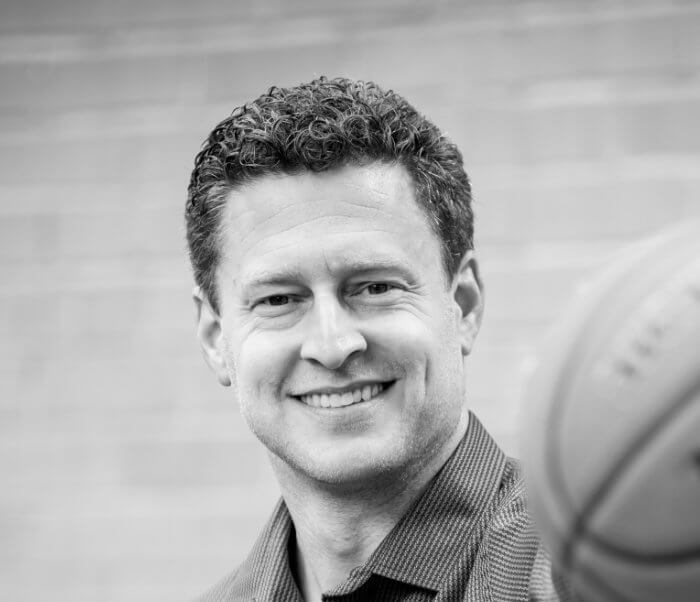
[00:00:48] Speaker C: In this episode, we welcome Lauren Brett, one of our highly respected Sport Law leadership coaches. A certified integral coach and professional coactive coach, Loren works with individuals and teams to build trust, elevate communication, and lead with greater authenticity and impact.
Loren is here to talk about the Sport Leaders Lab, an interactive leadership experience that already impacted dozens of sport leaders and coaches since 2017.
We're so excited for this conversation and appreciate your time, Lauren.
[00:01:19] Speaker D: It's great to be here again.
[00:01:21] Speaker C: So, before we get started, as we know, we have this tradition of asking each of us what's coming across our desk this week. So I want to start with Loren. Steve, let's start with Loren and find out what's coming across her desk.
[00:01:34] Speaker B: Curveball. A curveball.
[00:01:36] Speaker D: Curveball. Can you handle it? Here we go. I can always handle it.
You know what? There's a lot happening right now that feels both exciting and urgent. I've been spending a lot of time in conversations with sport leaders who are carrying a tremendous amount navigating underfunding, although there has been funding that has been announced, so that's really exciting.
Coaching transitions, high performance pressure, and I think, you know, largely doing it without structured support for their own leadership growth.
And that's where I think that we, you know, we do a fabulous job of supporting leaders in that regard.
But I think that tension is actually what's sitting on my desk the most these days. You know, how do we build a sports system that performs at the highest level and stays healthy? Right. And I believe those two things are not in conflict, but it takes intentional leadership to. To hold both.
So I'm spending my days thinking about that question and building the Sport Leaders Lab that we're here to talk about. And honestly, I'm getting really excited about the conversations we're about to have with the leaders who will join us this fall.
[00:02:56] Speaker C: Amazing. So I love this. This tension between performance and staying healthy. And they're not mutually exclusive. They're mutually rewarding.
[00:03:04] Speaker D: Yes, I love that.
[00:03:06] Speaker C: So over to you, Steve. What's coming across your desk?
[00:03:09] Speaker B: We always talk about the challenge or the depth of knowledge that's required to be a sport leader in Today's environment. And we also talk about how a lot of times sport leaders don't talk about sport. We talk about the admin, the policies, the governance.
And for me and for us, Dina, here at Sport Law, it is, I'll call it Admin Week. I am meeting with banks and insurance companies to make sure we have the, you know, most economical, best banking plan that we, that we, we can have, as well as our insurance is up for renewal. So I'm meeting with our insurer tomorrow to make sure that coverage is appropriate and the amounts are appropriate. And again, do we have the best possible coverage that we can buy? So my next two days will be dealing with the administrative side of our business, but obviously translates very well into the sport business.
Looking at banking, bank fees, proper insurance, not always relying on what my NSO or PSO provides us, which could be minimal or not as extensive as a, as a club may want. So that's what I'm doing this week. What about you?
[00:04:31] Speaker C: Well, thank you, Steve, for doing all that hard work, the work that nobody sees or appreciates until they do.
So I, I'm really grateful that you're spending time working on the business. It reminds me, you know, it's the shoemaker, right, and the son and daughter that don't have any shoes.
It feels like it's an ethical imperative for us to spend meaningful time on the things that really aren't rewarded and actually ought to be. And I think that that's really the beautiful intersection that Loren was speaking to. If we're so focused on outcome, we forget about the people often inside the ecosystem that need to be nourished in a very different way. So really appreciate that. Steve, for me, this week, it's a little bit of this and a little bit of that. So. So clients sometimes call and it becomes an emergency for them. There's a communication crisis or a conflict or someone has come to them because they're exhausted, burned out, compassion fatigued. So there's all of those. Things have been swirling around in the last few days. And so I'm attending to those conversations this week. And because of that, I'm noticing I myself am a bit distracted. I'm not sleeping as well.
I'm feeling the heaviness of the sector, the people we're here to serve. So I have to be really conscious of that because if I'm going to bring my best self to the conversations, I really need to put that oxygen mask on myself and make sure that I'm aware of my energy.
So I think that's a really beautiful bridge, actually, to the reason why sport leaders.
And when we say sport leaders, we mean everyone in the ecosystem that kind of sets, stands up and steps forward as a leader. And that can be someone who's more frontline, just emerging as a leader. It could be someone more senior who isn't in a CEO role, but has been around for maybe decades and is leading and so being conscious of that leadership and the way in which they want to impact others. And then of course, we have our frontline, our first responders, the coaches, the technical geniuses that make sport possible and really ensuring that these beautiful humans have not just the knowledge they need. Right. But a sense of appreciation for their emotional intelligence and also this deep wisdom that often goes unnoticed and disregarded. And we're talking about, you know, the, the field of their. Of their wisdom. Right. The acquired over time. And so often when we're working with coaches, especially Loren, there is a lack of appreciation for all of that knowledge that they've been acquiring. Right. Over the years. And so we look at things like what level are you, how many athletes have you put on the podium? But we don't necessarily really give them time and space and honoring the other part of their experience and knowledge, which is why curating a leadership experience that brings all of that together, whether you're a coach or whether you're a director or whether you're a seasoned veteran, whether you're a young emerging leader, we need a place for you to cultivate that leadership.
We're delighted to invite Loren, who has been working with Sport Law for a number of years now, supporting leaders in having difficult conversation and also honing their leadership capacity in such a beautiful, holistic way. So, Lauren, delighted to have you here and wondering, you know, if we maybe describe to us the, let's call it the reboot of the Sport Leaders Lab. You've been spending some deeply meaningful time reimagining what this experience, this leadership experience could look like for people. So maybe take us through all of this and I also want to, you know, give a nod to, to you as a former national team athlete and coach.
So thinking of all of that, maybe maybe inject a little bit of understanding for our listeners around.
What is this offering that. That you think is going to really advance and be supportive to the participants.
[00:09:02] Speaker D: Yeah.
So I think I want to back up a little bit. So this is not a new offering. So someone listening might notice a shift in the language.
We have offered the Sport leaders retreat since 2017.
It's something we're really proud of this program has brought leaders together in person and virtually for really immersive, reflective work. And so as I was thinking about this, I was thinking what is the experience? It's not a place where you go away and do something and come back and then back into your regular old system, but really changing the language to the Sport Leaders Lab. It just conjures up this idea of practice play, immersing yourself and getting feedback from others and whatnot. So I'm really excited about where this is going and you know, especially over the last couple of years doing all the work that we're doing, you know, there's some new things that have been emerged, emerging that, that you know, leaders are asking for. Regardless, the feedback for this program has been consistently strong.
Leaders have left feeling reconnected to their purpose, more self aware, more ready to lead.
But the core idea behind the Sport Leaders Lab is that it's a structured multi month climb. So there's six virtual sessions over the fall and it's bookended by private one on one coaching at the beginning and at the end.
We use the Nova profile as the foundation of the work that we're doing.
And really what we're doing is we're basing and creating this framework that moves leaders from self awareness at the base through expanding their relational and communication capacity as we ascend and all the way to integration and really what comes next. We also have a buddy system, so in between sessions they meet with one another, either in, you know, with two or three people with meet with other people in their cohort because there's always some kind of practice where they have to go out into the field, try it out and come back and talk about what they learned, where they failed, where they excelled. And that really is a really, really important part of the experience.
But I think one of the things, you know, as I was thinking about coming on here today, is I wanted to talk about kind of the cost of not getting structured support. And that's what this really is, I think the most common thing. And Dina, you may be able to speak to this as well, and Steve as well is the most common thing I see is this kind of quiet erosion. You know, leaders don't usually fall apart dramatically. You know, they just kind of gradually become almost like a smaller version of themselves. You know, they get reactive where they used to be thoughtful, they start avoiding the hard conversations. Maybe they start stop taking risks. Maybe they're just going through the motions, you know. And the thing is, I think from the outside they often still look fine. You know, they're delivering, they're showing up, but inside it's like they're running on fumes.
And there's a, there's a term that I think about a lot, and it's leading from depletion.
And I think it's one of the most dangerous states a leader can be in. It's kind of like a marriage, right? When you're in a marriage where there's apathy, it's a dangerous place. So when you're leading from depletion, people can feel it, right? Even when they can't name it. And I've worked with leaders who have been in high performance sport for, you know, 20 years and never have once been asked, how are you doing with all this?
Not how are your athletes?
Not, you know, what are your results?
But how is this landing for you? Like, what's this costing you? What are you learning about yourself?
And I think when leaders have space to reflect or they don't have space to reflect, they stop growing, right? And when leaders stop growing, the culture around them stagnates. And those ripple effects, I think are real on staff relationships, on the athlete experience, on organizational health. But I think what gives me hope, and I know Steve and Dina, you love that word, I think what gives me hope is that leaders who do get this structured support, who get a real container to do this work, often describe it as a turning point, not because they learn something brand new, but because they finally had the space to understand something that they'd always known and then actually practice leading differently. And that's what this sport leaders lab is really designed to create.
[00:14:01] Speaker B: You, you put words, Lauren, to maybe some emotion, right? I love the, the erosion methodology. And a lot of us have been in sport for a very long time and we come in and motivated and excited, and then slowly the weight of being a sport leader kind of grows and grows. So I really like putting language to that feeling and being aware, self aware of it. I also like thinking about, well, you know, my son plays high level baseball. We, he played a game last night, he has practice tonight. He has two games on the weekend. And there's practice and there's games and then. But from a leadership perspective, you know, do we get to practice? Do we get to work things out? So I really like this opportunity for leaders, coaches, technical advisors to have their practice, to have their training environment.
And I wonder, Loren, what motivated you to, to want to do this? You know, was it because, as Dena mentioned, you were a national team athlete and coach and now you're in a different part of your career where you see it all intersecting.
Why?
[00:15:19] Speaker D: My big why?
Well, you know me, Steve. I hope I don't get emotional, you know, because this means everything to me, honestly, and I don't say that lightly. I, you know, being a national team coach, being an administrator, I didn't have this support and I left the sport because I. I didn't have the inner resources to be able to stay steady, you know, and that's one of the taglines for this, is lead. Well, stay steady.
You know, I know what it feels like to be inside a high performance system. You know, the beauty of it and the intensity of it, the way it shapes our identity in ways, you know, sometimes you don't fully understand until you're out of it. I know what it's like to have a coach who changed the trajectory of my life and to have coaches who made me feel really small.
I've experienced both.
So, you know, that time as an athlete planted a question in me that I've spent my whole career trying to answer. You know, what makes someone a leader who brings out the best in people around them and what gets in the way? You know, what makes someone a leader who feels energized and refreshed every time they walk into their environment?
You know, when I sit with a sport leader now, whether they're a coach who's exhausted or a high performance director who's navigating a really hard organizational situation, I'm not operating from theory. I have some felt sense of what that world demands. So I have a lot of compassion for leaders in sport right now, and I think leaders really feel that and they. And they trust it at the same time. I'm always learning. You know, every coaching conversation, every program I facilitate teaches me something new about leadership, even the blunders. I mean, I've been in situations where I was like, oh, gosh, what do I do here now? Right. And I'm learning. It's like, oh, as I go along. So I think, you know, the lab is as much a living laboratory for me as it is for the participants. And I just get to be the guide on this particular climb.
[00:17:28] Speaker C: Yeah, I love the metaphor, right. When, when you think of lab, you think of what are the skills that we need to be really good lab technicians. Yeah, we need to be curious. We need to come to this with openness and possibility.
We are unafraid to get messy.
Right. Because that's what the code is. The coat can be a bit of a shield Right, Yeah, yeah.
[00:17:52] Speaker D: And I think that, you know, the, the beauty of this is that we just get to play in this arena together. And you know, the arena for growing leadership and sport has unfortunately been only on the technical side. You know, so we've done a great job at that. But inside, you know, the, the system, there's this other pieces, all the, the other things you into being a leader. And most leaders that I talk to, they're like, I had no idea, like, like beyond the technical stuff, how do I manage people, how do I manage myself inside of what's going on? That's really where the Golden Nugget is for, for this program that I am really excited to jump into again.
[00:18:47] Speaker C: And it's so needed because we can train people on the technical skills, but if we're not giving them a sense of, and rewarding them to be self aware. Because that's what you're speaking to, Lauren. Right. If you were to ask any of us who've been doing this work for a while, what is the most important rule of leadership, and this is repeated time and time again in all the leadership books I've read is first know thyself. Right. And I would actually extend that to beyond knowing ourselves. We have to learn how to love ourselves. So when you were talking about leading from depletion, I wrote down what would it look like, feel like, sound like if we were encouraging leaders to lead from a place of love.
Right. And I think that that's what can happen when we connect with people towards a common vision and mission. And we remember, for the most part, even if we're an administrator, right.
We're, we're assembling a team of people. And when people feel us, feeling them, caring about them, this is where you get extraordinary outcomes.
So you have to be able to dare that. You have to be able to be vulnerable. Right. In that space.
[00:19:59] Speaker D: Yeah.
So interesting. You know, what's just come up for me is like sport competition, Right. Play competition. And so often there's this kind of competitive nature that is also happening on the administrative side. Right. And you know, I've been actually doing a lot of work with officials and it is fascinating to see how much competition there is amongst the officials and that like Dina, you know, I've talked about the forgotten frontier being the coaches, you know, a lot of effort and attention on the athletes, you know, and now the forgotten frontiers, the coaches. But now I'm seeing this thing is like there's the forgot, another forgotten frontier, which is the officials that now also are yearning for some kind of development.
So, yay.
Love playing in that arena as well.
[00:20:51] Speaker C: Well, let's talk about that because, you know, the. The previous editions, if you will, of these climbs, these sport leader experience, we had, we had decided to intentionally put like with like, so administrators, with administrators, coaches or technical people with technical people. And in this edition, you're putting forth the opportunity for anyone. If you're an official, if you're a coach, if you're administrator, you're a younger, emerging leader. You're all welcome here. So maybe share a little bit more from your perspective, why you think that's going to be the secret sauce of this sport? Leaders lab?
[00:21:28] Speaker D: Well, one word. Silos.
You know, I think sports really good at, as I said a moment ago, producing experts. You know, we develop incredible technical knowledge, sports specific mastery, deep performance expertise.
What we're less good at is creating spaces where people who lead sport actually talk to each other, not about strategy or results, but about the human experience of leadership. And so when a technical director sits next to an administrator and they're both working through what it means to hold a different, difficult conversation with the board or a staff member, something shifts. You know, they start to see that the leadership challenges aren't that different. The context is different, the pressures look different.
But the core questions, how do I stay grounded in this really volatile moment? How do I communicate with clarity and care? How do I lead under pressure without losing myself?
How do I stay above the line, you know, in my best self? Those are universal.
And so, you know, there's something else that happens.
I think, you know, we have to talk about trust. And that's one of the things that we talk about, is how do we build trust in this program? And in terms of bringing people together, no matter what your role is, I think trust gets built across these silos. You know, because sport is a small world. The people in the room with you are likely to be your peers, your collaborators, maybe even your future partners.
And when you've done hard, honest leadership work together, you carry that into your professional relationships.
You know, I want to be clear. We're not mixing people together just to be novel.
The program is carefully designed. You know, the facilitating, the frameworks, the peer practice, all of it creates conditions where, you know, a mixed group is an asset and it's not a challenge. And so leaders learn as much from each other as they do from. From the content.
[00:23:36] Speaker B: So, Loren, sometimes we've had discussions, particularly the three of us, where it's easy.
I'm laughing as I say this. It's easy to sell bylaws, it's easy to sell a code of conduct. People feel it's a must have and probably, arguably it is.
And some people would look at the work that you're the Sport Law as an option.
I should do it, but I'm busy.
I've got other priorities. You know, what would you tell people in that situation to, to, to make sure they do this?
[00:24:14] Speaker D: Yeah, Well, I would say that thought I don't need this or I'm too busy is actually worth examining because in my experience, the leaders who say they don't need are often ones who need it the most.
I, I actually think that leaders are looking for a soft place to land and just like exhale. And that's what this is. This is an opportunity to exhale, you know, and, and when I say they're often the ones that, you know, need it the most, it's not because something's broken, but because they've been so focused on delivering for everyone else that they've stopped investing in themselves.
I don't know. There's a particular kind of leader who has been incredibly successful by working harder, knowing more and pushing through, you know, but that, and that formula works until it doesn't. And that's what we're seeing in sport right now, right?
The sport is getting, the system is getting more complex, the stakes are higher and the problems stop being solvable by effort alone. And that's when leadership becomes like, it feels like work.
Right?
And I know that most sport leaders that I know, and, you know, you probably would agree with me, they've come in here because of the love of, you know, sport in general.
So, you know, the sport leaders Lab, it's not remediation, you know, it's for leaders who are already in it, who are already delivering, and who sense that there's another level available to them. And if that's you, this is your program on the busy piece, I hear it. Leadership and sport is relentless. And, and I gently ask, you know, busy doing what?
Right? And if the answer involves a lot of reactivity, you know, a lot of putting out fires, a lot of managing relationships that keep breaking down, then making time for this work is not a luxury. It's, it's how you get less busy.
The six sessions, they're three hours each. That can sound like a lot, you know, but in the big scope of the things, you know, this investment, you know, it's real.
People return with clarity, they return with more capacity, and the quality of their relationship really is elevated.
[00:26:39] Speaker C: It's so true, Loren, because as leadership coaches, you and I, in order for us to maintain our accreditation with the, the parent organization body that accredits us, the International Coaching Federation, we have to demonstrate and accumulate cces, right. These ongoing learning credits. Steve, as a lawyer, you have to maintain 12 hours, right? A year. Yeah. And we have to accumulate 40 hours over a four year period.
So those of us who are more, let's say professional in our, in our training and teachers are the same boat. So many professions demand, require that the professional is ongoing, is an ongoing relationship with development and learning. Why? Because it keeps us honest, it keeps us fresh, it keeps us curious in this lab called life. So I love Lauren, that this is the invitation. Right? It's an invitation for leaders who want to intentionally curate their leadership practice, recognizing that I'm never there yet. I also want to speak about busyness.
I hear this all the time, I'm too busy. And I, I often say, you're too busy not to. The question is, do you want to be a better busy learning to pause and not react because in the reaction, for instance, we end up distracting ourselves, we end up causing greater damage and harm. So the reflex to pause and ask ourselves what's the impact I want to have on this human in moment? That's a capacity we can build, right? Learning how to respond versus react. That's another area that you explore in the, in the sport leaders lab. So there are many nuggets I want to. Before we close, Loren, I want to share some of what previous participants have said.
As we've already articulated, people have gone through this program before and in some snippets around, people have said this was the most significant leadership lesson that I've, I've ever engaged in.
Other people have walked away learning to lead from the moment, learning to, just as I said, pause and reflect.
People really appreciated the depth of understanding of themselves through the prism of the NOVA profile, which is a world leading psychometric tool. So that's a part of the experience and it's the gift that keeps on giving.
In fact, a fun story.
One of the participants actually gifted me to their spouse after going through the program because they recognized how learning about myself is going to help me, you know, be a, a better partner. Right. Be able to listen. And they wanted the same for their partner. So I thought that was a fun fact. You never know where this is going to go. The other thing, another comment that someone said, and this is, it's sadder actually. They, they spoke about lone. They didn't realize how lonely they were until they participated in a shared learning experience with other people who understood their world.
The final thing that I wanted to share with you, Loren, is people really appreciated the pace of learning something, exploring something, and then a place to be vulnerable. And we know because of the work that we do from that place of vulnerability. That's where we can source compassion for self and for others. Right? So there is so much here. And I love the diversity because that's what you're speaking to. When you bring diverse people together in a shared experience, magic happens. And that's what we know is going to happen here with your beautiful leadership in the Sport Leaders Lab. So if people are curious and want to learn more about this offering, Loren, can you, can you share final thoughts on on how they can get more information?
[00:30:31] Speaker D: Yeah. So if anybody is curious about this and wants to have a conversation, doesn't cost anything to reach out to me. Just reach out to me directly. L BrettportLaw CA is my email and let's jump on a call and let's explore how this might be a great fit for you.
[00:30:52] Speaker B: Thank you Loren. I always appreciate your insight and your chat and your thoughts on sport.
Obviously a different view than I bring in, which is refreshing.
So thank you for your time today. In the episode Notes below you will find some Sport Law blogs where you can find more information related to our conversation today. Thank you so much to our listeners. We are so grateful to share our vision of Sportopia with you and to elevate sport.
[00:31:22] Speaker C: As always, to have your say in Sportopia. Email us at HelloPortLaw CA to let us know what you want to hear about next.
Have a wonderful week and we look forward to connecting with you later this month. Until then, be well.